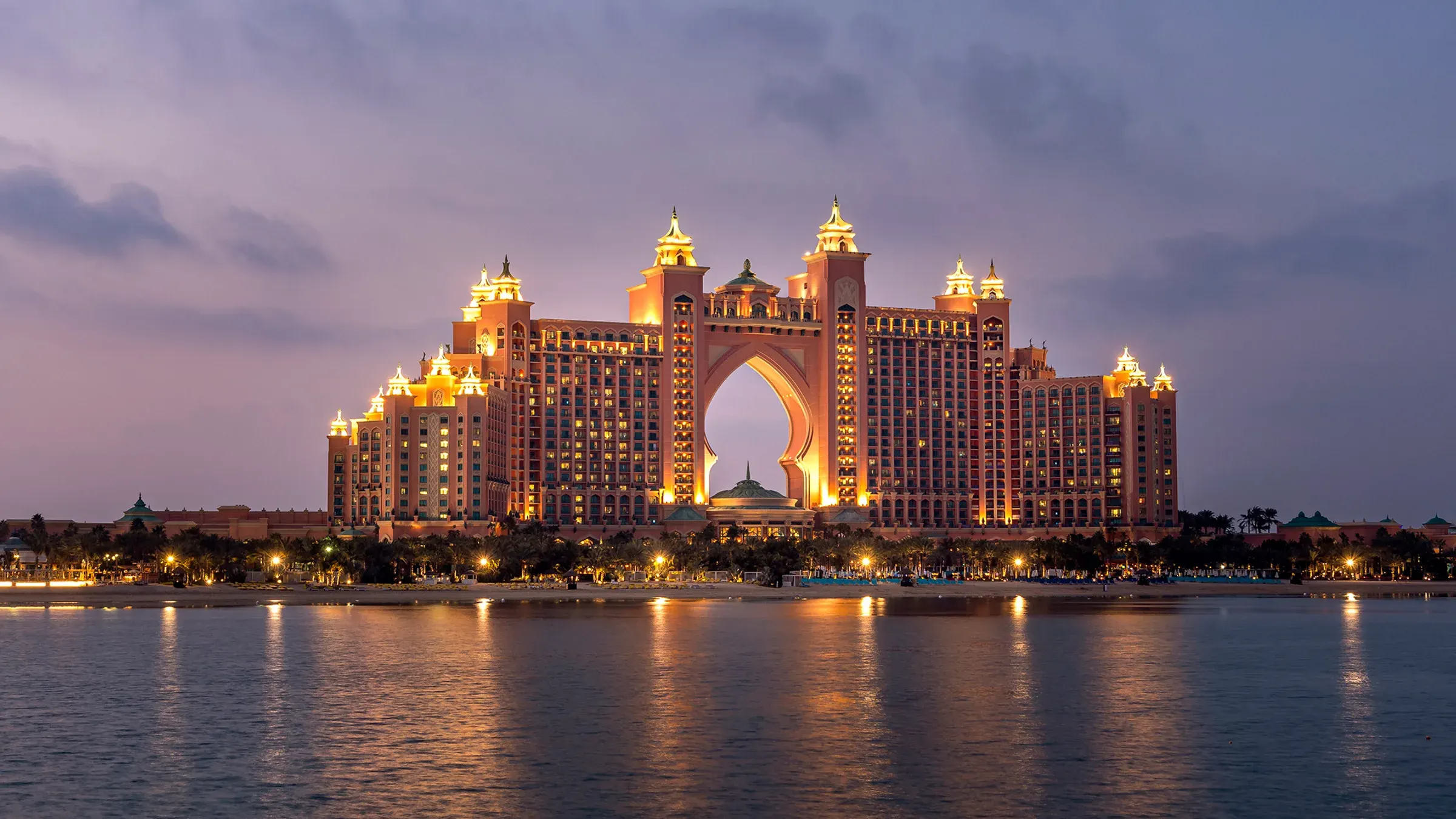
Branded residences in Dubai command an undeniable allure for ultra-high-net-worth buyers, offering an intoxicating combination of international brand prestige, haute couture interior design, and personalized five-star hotel services.
However, market data indicates that branded residences in prime Dubai districts trade at a 20% to 35% premium—and in exceptional waterfront cases such as Bulgari Residences on Jumeirah Bay Island, upwards of 50% to 80%—over comparable unbranded luxury properties.
Does this substantial capital premium deliver verifiable economic value, superior capital preservation, and lifestyle convenience, or does it simply represent an expensive marketing veneer?
Below is an institutional analysis examining whether branded residences in Dubai justify their premium.
1. Deconstructing the Brand Premium: What Does the Extra Capital Actually Buy?
The pricing delta between a branded residence and an unbranded prime apartment reflects five core drivers:
| 1. Global Brand Equity | Institutional recognition that creates immediate trust for foreign non-resident buyers who lack local market knowledge of private developers. |
|---|---|
| 2. Architectural & FF&E | Contractually enforced finish standards (e.g., custom |
| Curation | Italian marble, Minotti/Poliform joinery, Dornbracht). |
| 3. Integrated Five-Star | Dedicated residential concierge, valet, doorman, in- |
| Hospitality | residence dining, and priority hotel amenity booking. |
| 4. Prime Land Monopolies | Global luxury brands partner almost exclusively on irreplaceable waterfront, canal, or downtown parcels. |
| 5. Rigorous Facility | Global brand audits enforce preventative maintenance, |
| Asset Management | protecting the building from premature physical decay. |
Institutional Underwriting Rule:
Disentangle the land value, the construction finish quality, and the brand royalty. If the property is stripped of its logo, does the location, view, layout, and build quality justify 80% of the price? If not, the brand premium is excessive.
2. Like-for-Like Benchmarking: Branded vs. Prime Unbranded
To determine if a premium is justified, compare the branded asset against an equivalent top-tier unbranded residence in the identical micro-district:
| Underwriting Vector | Top-Tier Branded Residence (e.g., Bulgari / Dorchester) | Super-Prime Unbranded Luxury Residence |
|---|---|---|
| Initial Purchase Basis | Premium of +25% to +50% per sq. ft. | Market clearing prime PSF baseline |
| Annual Service Charges | AED 45 – AED 90+ / sq. ft. (Mollak approved) | AED 18 – AED 32 / sq. ft. (Standard prime) |
| Concierge & Staffing | Dedicated 24/7 hotel-trained residential team | Standard security and front-desk concierge |
| Interior Customization | Restricted by brand architectural design guidelines | Complete freedom to remodel, paint, and reconfigure |
| Secondary Resale Liquidity | Global brand-conscious buyer pool; high liquidity | Localized luxury buyer pool; price-sensitive |
| Rental Yield Dynamic | Lower net yields due to elevated service charges | Higher net cash yields; lower overhead deductions |
3. The Hidden Carrying Cost: Auditing Ongoing Service Charges
While the acquisition premium is paid on Day 1, the operational premium is paid every year for life.
| Branded Residence (Mollak Rate: AED 65 / sq. ft.) | AED 227,500 / year |
|---|---|
| Unbranded Prime Condo (Mollak Rate: AED 25 / sq. ft.) | AED 87,500 / year |
| Annual Operational Premium | AED 140,000 / year |
| 10-Year Cumulative Holding Cost Premium | AED 1,400,000 (unleveraged) |
Review official community service charge budgets via the DLD Mollak Service Charge Index. For an owner who occupies the property only 4 to 6 weeks per year, paying a six-figure annual service charge surcharge for unused concierge and spa facilities severely diminishes investment returns.
4. Lifestyle Utility vs. Practical Service Utilization
Before committing to a branded residence, audit whether your lifestyle will actually monetize the hospitality offerings:
- High-Travel Executives & Global Nomads: If you travel 8 months a year, the turnkey lock-and-leave convenience, continuous security, housekeeping, and preventative plant maintenance provide immense peace of mind.
- Full-Time Permanent Residents: Families residing full-time may find hotel-style environments impersonal, with high common-area turnover, transient hotel guests sharing amenities, and strict restrictions on personal modifications.
- Independent Service Preference: If you prefer private domestic staff (private chef, full-time driver, personal housekeeper), paying building service charges for communal hotel concierge and room service represents redundant overhead.
5. Contractual Scrutiny: The Brand’s Enforceability and De-Flagging Risk
A brand name on the façade is governed by private commercial agreements that must be audited during legal due diligence:
Duration of Licensing & Operating Agreements
Most branded residential agreements span 15 to 30 years. What occurs upon expiration? If the hotel operator and developer dispute renewal terms, the building can be de-flagged, instantly erasing a portion of the resale premium.
Hotel Direct Management vs. Third-Party Franchise
Distinguish between a residence managed directly by the hospitality parent company (e.g., Four Seasons managing Four Seasons Private Residences) and a developer merely licensing a designer’s fashion logo while delegating building management to an unproven local facilities contractor.
6. Secondary Market Resale Realities: Does the Premium Endure?
Do branded residences hold their premium upon exit? Empirical transaction records from the Dubai Land Department reveal three structural realities:
- Blue-Chip Hospitality Holds Value: Heritage hotel brands with century-old operational excellence (Bulgari, Four Seasons, Mandarin Oriental, Dorchester Collection) consistently sustain resale premiums across market cycles due to uncompromising property upkeep.
- Fashion & Automotive Brands Depreciate Faster: Residences branded by fashion or automotive marques often trade at a heavy premium during off-plan launch marketing, but compress toward unbranded market medians on the secondary market once the novelty subsides.
- Condition Preservation: Branded towers enforce strict façade and common-area capital replacement reserves, ensuring that a 10-year-old branded building presents significantly better than an unbranded tower of identical age.
7. Rental Yield Reality: Lifestyle Prestige vs. Cash Flow
If acquiring a branded residence as an investment property, investors must disentangle gross rental headlines from net spendable cash:
Gross Rent: AED 800,000 (Branded 3-Bed)
- Mollak Service Fees: AED 210,000 (AED 60/sq. ft.)
- Hotel Rental Pool Split (35%): AED 280,000
- FF&E Replacement Reserve (5%): AED 40,000
= Net Operating Income: AED 270,000 (Net Yield: ~2.2% on AED 12M basis)
By comparison, an unbranded luxury apartment in Downtown Dubai leased to a corporate executive often delivers 4.5% to 5.5% net yields due to significantly lower operating friction. Branded residences are capital preservation and lifestyle assets—rarely high-yielding cash flow plays.
8. Quantitative Evaluation Matrix: Is the Premium Justified?
Follow this 5-step institutional underwriting protocol:
| Step 1: Isolate Premium | Calculate exact price per sq. ft. delta against best unbranded comp (Target: < 25% premium for urban prime, < 40% for irreplaceable waterfront). |
|---|---|
| Step 2: Audit Finish Spec | Reconcile contractual finishes: does the FF&E package justify at least 40% of the price premium? |
| Step 3: Quantify Holding | Project 10-year Mollak service fee delta and factor into total cost of acquisition. |
| Step 4: Verify Governance | Confirm 20+ year direct hotel management agreement with robust owner protection clauses. |
| Step 5: Stress-Test Exit | Model resale at zero brand premium; does the asset still protect capital based on land scarcity alone? |
Frequently Asked Questions
Are branded residences worth the premium in Dubai?
Yes, for buyers seeking turnkey five-star hotel services, global brand prestige, and long-term asset maintenance. However, for yield-focused investors, the elevated purchase basis and high annual service charges compress net rental returns.
Do branded residences appreciate faster than unbranded properties?
Not uniformly. Appreciation is primarily driven by location scarcity and macro market cycles. While elite hospitality brands (Bulgari, Four Seasons) have set citywide capital growth records, generic licensing brands often see their premium compress upon resale.
Are service charges significantly higher in branded developments?
Yes. Approved Mollak service charges typically range from AED 40 to over AED 90 per square foot annually, compared to AED 18 to AED 30 per square foot for conventional luxury developments.
What happens if the brand de-flags the building?
If the developer breaches brand standards and the hotel brand terminates its agreement, the tower loses its brand identity, resident hotel privileges cease, and the property’s secondary market valuation may adjust downwards toward unbranded market levels.
Suggested Internal Reading
- The Complete Guide to Branded Residences in Dubai
- How to Compare Branded Residences in Dubai
- How to Buy a Trophy Property in Dubai
- The Complete Guide to Buying a Dubai Penthouse
- Dubai Property Ownership Costs for Foreign Investors
Private Inquiries & Advisory
For private consultations and property advisory: +971 586776996 (WhatsApp & Call)