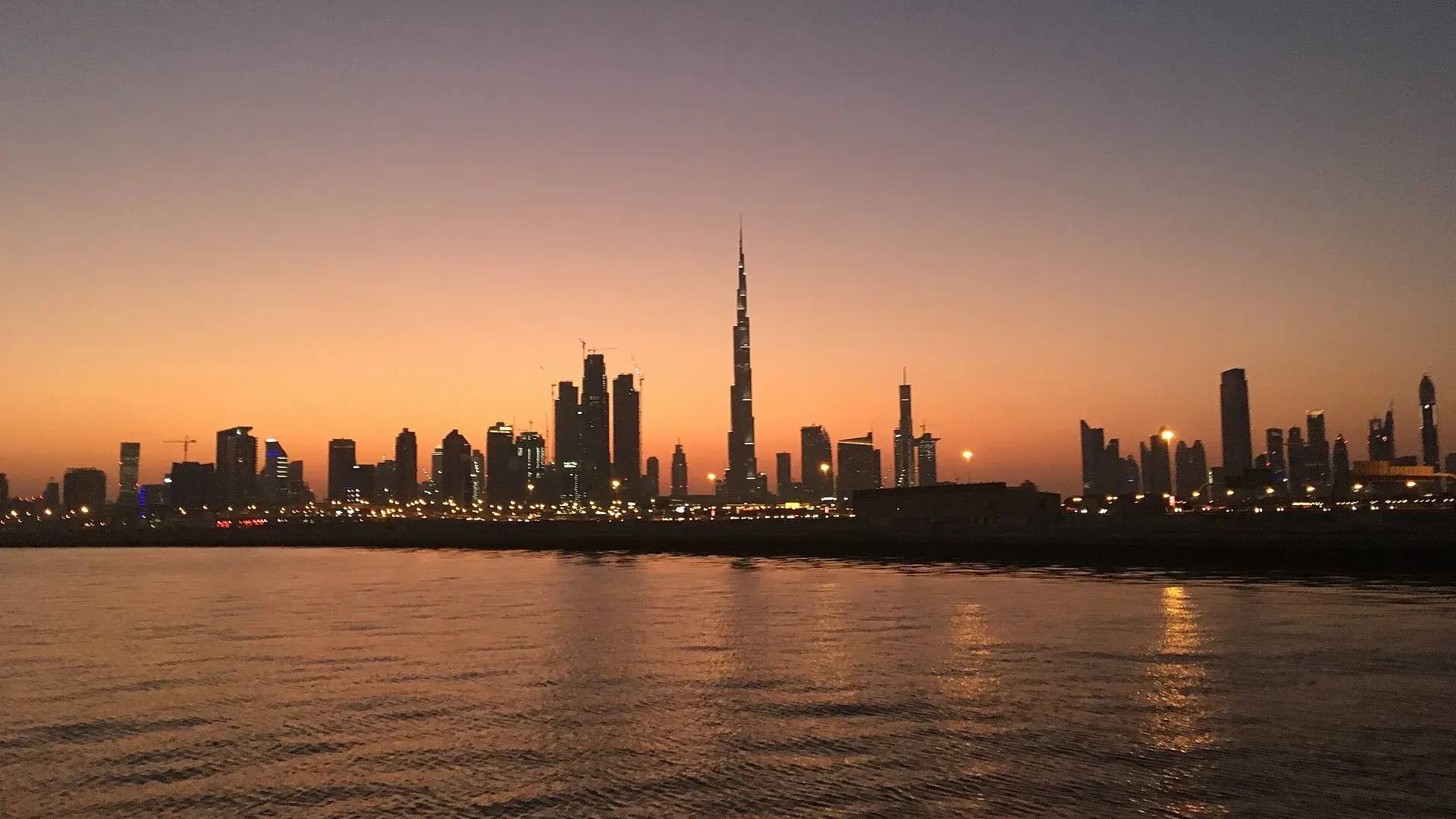
Constructing a real estate portfolio designed for long-term wealth preservation requires a fundamentally different philosophy than speculative property flipping or chasing volatile, high-leverage gross yields. The overriding objective is capital stewardship: safeguarding purchasing power across economic cycles, structuring multi-generational asset security, maintaining robust liquidity buffers, and generating durable, inflation-hedged net cash flow.
In Dubai’s mature property landscape—characterized by zero local income taxes, US dollar-pegged monetary stability (AED), and institutional freehold legal protections—high-net-worth individuals (HNWIs) and family offices possess an exceptional canvas for wealth preservation. However, enduring wealth security requires disciplined allocation across asset tiers, conservative capital structures, and robust legal succession frameworks.
Below is an institutional guide to designing, structuring, and managing a Dubai real estate portfolio tailored for generational capital preservation.
What Does Wealth Preservation Mean in Real Estate?
In institutional wealth management, wealth preservation is defined by four core mandates:
- Capital Protection: Ensuring the real purchasing power of capital is shielded against global monetary debasement and local inflation.
- Low Volatility & Downside Resilience: Assembling prime tangible assets that retain liquidity and tenant appeal during economic corrections.
- Unencumbered Cash Flow: Generating reliable Net Operating Income (NOI) without structural dependence on heavy debt leverage.
- Intergenerational Transfer: Structuring legal title (e.g., DIFC Foundations, ADGM SPVs) to ensure seamless succession without probate friction.
| 1. Succession & Legal | DIFC / ADGM SPVs, common law wills, asset segregation |
|---|---|
| 2. Capital Structure | Low leverage (<30% LTV) or all-cash unencumbered equity |
| 3. Asset Scarcity | Waterfront trophy estates, prime branded residences |
| 4. Cash-Flow Core | Prime prime ready apartments generating recurring NOI |
| 5. Liquidity Reserves | 12–24 months of operational expenses in cash reserves |
1. Avoid Asset and Micro-Market Concentration Traps
Allocating substantial wealth into a single property or clustering multiple assets within one master development creates acute concentration risk. If that specific community experiences localized oversupply, protracted infrastructure works, or escalating communal service charges, the entire portfolio suffers.
Multi-Dimensional Diversification:
- Micro-Market Exposure: Balance prime global commercial centers (Downtown Dubai, DIFC) with super-prime waterfront islands (Palm Jumeirah, Jumeira Bay, Bulgari Lighthouse) and established family master communities (Dubai Hills Estate).
- Asset Typologies: Combine high-occupancy luxury apartments (providing steady rental distributions) with prime standalone villas (offering long-term land scarcity and lower tenant turnover).
- Developer Exposure: Avoid committing more than 25% of portfolio equity to any single private builder or development entity.
2. Assign Every Property a Strategic Role
A portfolio functions effectively when each acquisition serves an explicit mandate:
| Strategic Asset Role | Target Property Profile | Primary Mandate |
|---|---|---|
| Core Cash-Flow Engine | Prime 1–2 bed ready apartments in DIFC / Downtown | High continuous Net Operating Income (NOI) |
| Generational Store of Value | Waterfront luxury estates on Palm Jumeirah / Jumeira Bay | Land scarcity, global capital preservation |
| Branded Luxury Capital | Trophy branded residences (Bulgari, Dorchester) | Turnkey hospitality, prestige, inflation hedge |
| Selective Growth Satellite | Early-phase off-plan from master developers (Meraas/Omniyat) | Measured equity compounding upon handover |
Never acquire an asset solely because of attractive marketing without understanding its defined role within your broader balance sheet.
3. Prioritize Intrinsic Asset Quality Over Unit Count
Owning ten secondary apartments in non-prime locations does not equal diversification; it multiplies administrative friction, maintenance demands, and vacancy exposure.
Wealth preservation prioritizes irreplaceable intrinsic attributes:
- Permanent View Corridors: Direct beachfront, golf-course, or iconic skyline vistas that cannot be obstructed by future construction phases.
- Efficient Floor Plates: Functional rectangular layouts that maximize usable air-conditioned interior living space over non-functional circulation areas.
- Tier-1 Architectural & Build Standards: High-spec mechanical, electrical, and plumbing (MEP) infrastructure that minimizes capital expenditure decades into the future.
- Superior Community Governance: Master communities with well-funded reserve funds (sinking funds) and accredited owners association management.
4. Institutional Liquidity Management
Real estate is fundamentally less liquid than publicly traded equities or fixed income instruments. A prime villa or luxury penthouse cannot be liquidated overnight without incurring punitive discounts.
To safeguard capital preservation:
- Maintain Dedicated Liquid Reserves: Retain a minimum of 12 to 24 months of total portfolio holding expenses (Mollak service charges, maintenance allowances, insurance, and financing obligations) in liquid cash or short-term treasury securities outside the property market.
- Underwrite Conservative Exit Horizons: Model 6- to 12-month disposition windows for luxury properties on the Dubai Land Department Real Estate Data portal.
- Avoid Forced Liquidations: Never commit capital needed for business operations, tax obligations, or family living expenses into real estate acquisitions.
5. Conservative Leverage Principles
While excessive debt compounds returns during market expansions, it introduces severe insolvency risk during credit tightening or interest rate shocks.
For long-term wealth preservation portfolios:
- Cap Aggregate Leverage: Maintain total portfolio Loan-to-Value (LTV) below 30% to 40%, or operate completely debt-free.
- Eliminate Negative Leverage: Ensure the property’s unleveraged Net Rental Yield comfortably exceeds mortgage borrowing rates.
- CBUAE Compliance: Structure borrowing within the conservative framework of the Central Bank of the UAE Mortgage Regulations.
A debt-free or conservatively leveraged portfolio generates unencumbered cash flow that continues distributions even through extended macroeconomic downturns.
6. Structure Institutional Succession and Governance
For substantial real estate portfolios, the legal ownership architecture is as critical as the physical assets themselves:
| DIFC Foundation | Common-law asset protection, probate bypass, perpetuity |
|---|---|
| ADGM SPV Structure | Tax-efficient holding vehicle for multi-asset portfolios |
| Registered DIFC Wills | Enforceable common-law testamentary freedom for non-Muslims |
| Corporate SPVs | Clean multi-generational equity share distribution |
Holding Dubai real estate through a DIFC Foundation or ADGM Special Purpose Vehicle (SPV) enables seamless intergenerational asset transfer, insulates assets from probate delays, and provides complete testamentary freedom under common-law principles.
7. Establish an Annual Portfolio Rebalancing Policy
A wealth-preservation strategy is deliberate and dynamic:
- Annual Net Yield Audits: Benchmark actual net operating income against the official DLD Rental Index.
- Service Charge Scrutiny: Inspect annual Mollak statements via the DLD Service Charge Index to monitor operational fee inflation.
- Prune Underperforming Assets: Dispose of properties where localized supply dynamics or escalating maintenance costs permanently impair risk-adjusted returns, reallocating capital into higher-tier, scarce assets.
Frequently Asked Questions
How many properties should a wealth-preservation portfolio contain?
There is no arbitrary number. An optimal portfolio typically comprises 3 to 7 high-quality, strategically distinct assets: a combination of prime cash-flowing urban apartments, prime beachfront luxury residences, and family villas that match the family office’s capital allocation mandate.
Are trophy luxury properties effective for wealth preservation?
Yes, provided they possess genuine scarcity (e.g., prime waterfront on Palm Jumeirah or Bulgari Lighthouse on Jumeira Bay). Scarcity insulates luxury assets from supply shocks that affect mass-market developments, preserving real purchasing power over generational horizons.
What is the maximum recommended leverage for wealth preservation?
Conservative wealth managers recommend an aggregate portfolio LTV of 0% to 35%. Limiting leverage ensures debt service never threatens portfolio solvency during periods of tenant vacancy or macroeconomic volatility.
Why should family offices use DIFC Foundations to hold Dubai property?
Holding real estate via a DIFC Foundation provides a robust common-law legal structure recognized by the Dubai Land Department. It avoids local probate court procedures, ensures asset protection, and enables seamless transfer of ownership to heirs.
How often should a family office review its real estate portfolio?
Portfolios should undergo an annual formal audit to review net cash flows, verify lease renewals, inspect physical asset condition, audit Mollak service charges, and assess upcoming infrastructure developments.
Multi-Generational Real Estate Advisory
At Billionaires Island Properties L.L.C., we advise global family offices, UHNWIs, and international estates on assembling resilient, multi-generational Dubai property portfolios. We combine forensic micro-market underwriting with institutional governance structuring and off-market asset curation.
Schedule a Private Family Office Consultation to discuss capital allocation, asset structuring, and wealth preservation strategies across Dubai real estate.
Disclaimer: This guide is prepared for educational purposes only and does not constitute formal financial, legal, tax, or investment advice. Investors should obtain qualified legal counsel regarding corporate structuring and cross-border taxation.
Private Inquiries & Advisory
For private consultations and property advisory: +971 586776996 (WhatsApp & Call)








