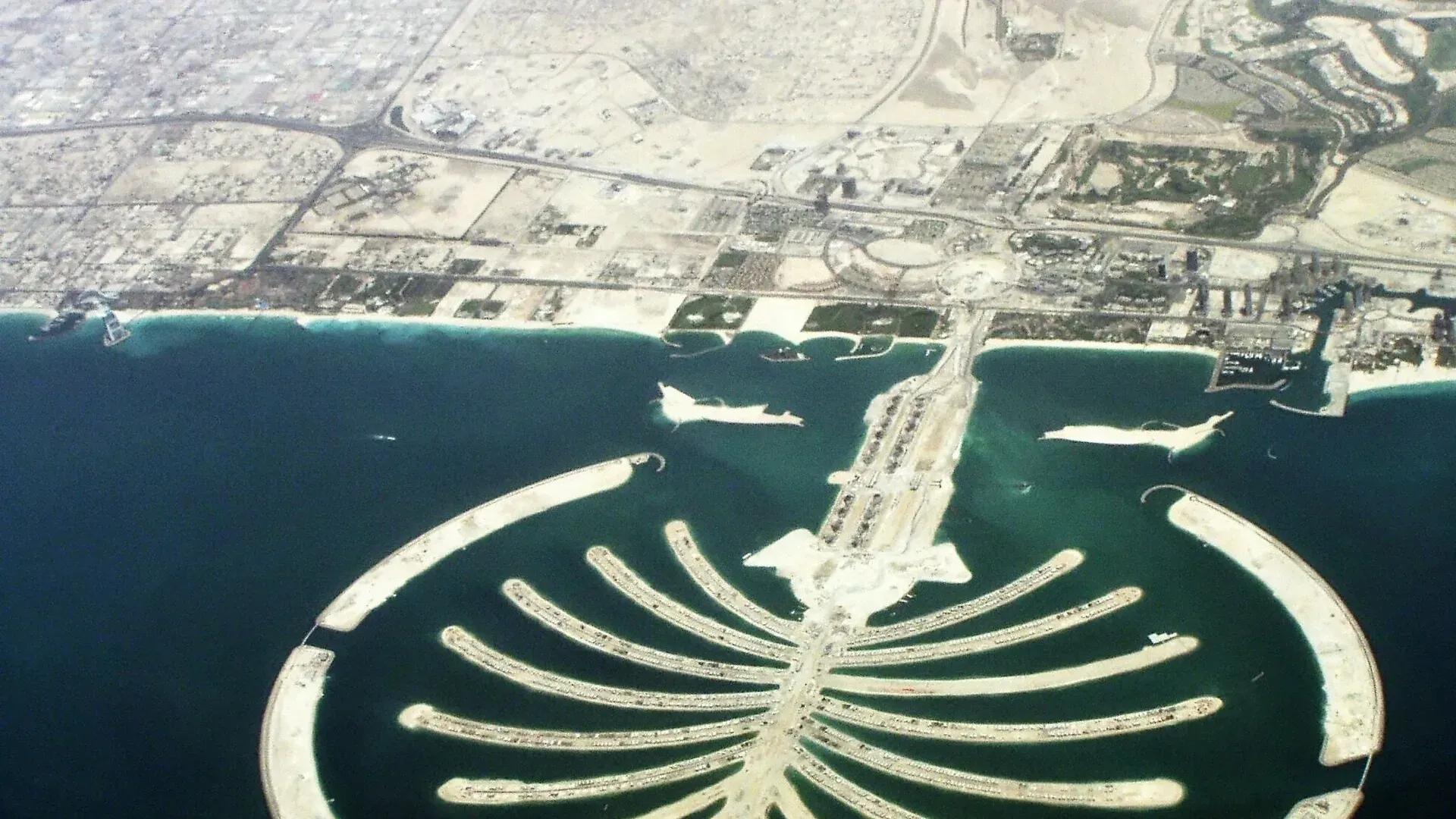
Buying off-plan real estate in Dubai enables global investors and private homeowners to acquire newly launched residences prior to construction completion, securing ground-floor launch pricing and flexible developer payment schedules.
Dubai’s off-plan sector encompasses signature architectural towers, ultra-luxury branded penthouses, private waterfront villas, and master-planned golf communities. However, navigating an off-plan transaction requires rigorous diligence. Discerning buyers must evaluate three critical pillars: verifying the project’s official DLD registration, analyzing whether the payment structure matches your capital deployment strategy, and mastering the legal covenants within the Sale and Purchase Agreement (SPA).
This comprehensive 2026 guide provides an end-to-end roadmap for buying off-plan property in Dubai, detailing escrow protections under Dubai Law No. (8) of 2007, Oqood registration, milestone monitoring, and post-handover inspections.
1. What Is Off-Plan Property in Dubai?
Off-plan property refers to real estate purchased directly from a master developer before the physical building or villa has received its municipal Building Completion Certificate (BCC).
Depending on when an investor enters a project, construction may be at excavation, substructure, structural topping-out, or interior architectural fit-out. The purchase is executed on the basis of developer floor plans, certified architectural renderings, mock-up show apartments, technical material schedules, and a legally binding Sale and Purchase Agreement (SPA).
Primary Off-Plan Real Estate Categories:
- Luxury Apartments & Penthouses: High-rise residential towers in prime urban hubs like Downtown Dubai, Business Bay, and Dubai Creek Harbour.
- Master-Planned Villas & Townhouses: Gated family communities featuring extensive green parks, private lagoons, and championship golf courses (e.g., Dubai Hills Estate, Tilal Al Ghaf, Arabian Ranches).
- Waterfront Residences & Beach Mansions: Private coastal enclaves on Palm Jumeirah, Palm Jebel Ali, Jumeirah Bay Island, and Dubai Islands.
- Branded Residences: Trophy residences developed in partnership with ultra-luxury hospitality or design houses (e.g., Bulgari, Dorchester Collection, Mandarin Oriental, Armani, Four Seasons), delivering bespoke concierge services and hotel-grade amenities.
2. Why Do Buyers Choose Off-Plan Property?
International buyers and family offices allocate significant capital to Dubai off-plan developments for four primary strategic advantages:
A. Phased Capital Staging
Rather than paying 100% of the purchase price upfront (or committing a 20% to 30% cash down payment plus interest-bearing mortgage payments), off-plan purchases allow buyers to spread payments across 3 to 5 years linked directly to construction progress.
B. Access to Prime Launch Allocations
Off-plan sales grant early access to premium inventory—including high-floor panoramic penthouses, corner waterfront plots, and rare layouts—that are seldom available once a project is finished and fully occupied.
C. Zero Secondary Brokerage Commissions
When purchasing directly from a master developer off-plan, the developer pays the licensed agency marketing fees. The buyer pays 0% real estate brokerage commission, representing immediate closing savings.
D. Modern Architectural & Sustainability Standards
Newly launched developments incorporate the latest low-carbon engineering, smart-home automation (KNX/Lutron), energy-efficient acoustic double-glazing, high ceilings, and contemporary floor-to-ceiling glass architecture that commands premium rental yields.
3. Who Can Buy Off-Plan Property in Dubai?
Under Dubai Law No. (7) of 2006 Concerning Real Property Registration in the Emirate of Dubai, foreign nationals—regardless of residency—enjoy full legal rights to purchase 100% freehold off-plan property in designated freehold zones.
- Non-Resident International Buyers: Can execute transactions remotely from abroad using valid passport identification.
- Expatriate Residents: Can buy using UAE Emirates ID and local bank clearing channels.
- Corporate Entities: Foreign buyers can acquire off-plan assets through eligible corporate vehicles (such as DIFC Foundations, ADGM SPVs, or Jafza Offshore companies) following corporate approval by DLD.
- Golden Visa Qualification: Off-plan purchases with an aggregate contract value of AED 2,000,000 or more qualify the investor to apply for the 10-Year Renewable Real Estate Investor Golden Visa once qualifying equity thresholds are met.
4. Step 1: Define Your Investment Objective and Capital Schedule
Before reviewing glossy project brochures, define your strategic rationale:
- Capital Appreciation / Resale Strategy (Targeting 20%–40% equity growth by handover)
- Long-Term High-Yield Rental Portfolio (Targeting 6%–8% net unleveraged rental return)
- Future Personal Residence or Holiday Home (Aligning completion with relocation plans)
- Generational Wealth Preservation (Trophy assets in supply-constrained beachfront zones)
Building Your Capital Deployment Schedule
Your financial model must account for the full payment schedule:
- Initial booking deposit (10% to 20%).
- DLD Oqood registration fee (4% of property value + admin fees).
- Construction installment milestones (e.g., 10% every 6 months).
- Final handover payment (40% to 50% due at building completion).
- Post-handover snagging, furnishing, and DEWA utility activation reserves.
5. Step 2: Select the Location, Community & Developer
A successful off-plan acquisition depends on rigorous developer due diligence:
- Developer Track Record: Evaluate the master developer’s historical delivery record. How many projects have they successfully completed? Have previous towers been delivered on schedule? What is the build quality of their 5-to-10-year-old communities?
- Infrastructure Commitments: Verify that surrounding arterial roads, public transport, district cooling, retail centres, and schools are already funded or under active development.
- Master Community Governance: Examine who will manage the community long-term. Reputable developers maintain dedicated community management arms ensuring high maintenance standards and strong capital preservation.
6. Step 3: Verify the Developer & Project with Dubai Land Department
Never transfer funds or sign binding reservation contracts without independently verifying the project’s regulatory status on official government systems.
The Dubai Land Department mandates that every off-plan development must be officially registered and licensed for sale.
Official DLD verification portals:
- DLD Project Registration Portal
- DLD Real Estate Project Status Tracking
- Dubai REST Mobile App
Essential Regulatory Checks:
- Confirm the Developer Name and RERA Developer Registration Number.
- Confirm the Project Name and Official Project Registration Number.
- Check the RERA Inspection Report on the Dubai REST app to see current audited construction percentage.
- Verify that the master plot title deed is clear and unencumbered.
7. Step 4: The Project Escrow Account Framework
Dubai pioneered real estate investor protection through Dubai Law No. (8) of 2007 Concerning Escrow Accounts for Real Estate Development in the Emirate of Dubai.
Under this landmark legislation:
- Mandatory Project Escrow Account: A developer cannot sell off-plan units or collect payments without opening a dedicated escrow bank account with an authorized UAE financial institution approved by DLD.
- Ring-Fenced Capital: All buyer installment payments must be deposited directly into this project-specific escrow account. Funds cannot be diverted to other developments or corporate overheads.
- Milestone-Based Fund Releases: RERA appoints independent engineering audit consultants who conduct physical site inspections. Escrow funds are released to the developer only in proportion to verified construction milestones (e.g., 20% completion, 50% completion, roof casting).
- Mandatory 5% Retention: 5% of the total project escrow fund is retained for one full year after building completion to guarantee the developer rectifies any post-handover architectural defects.
Crucial Buyer Action:
Verify that the bank account details provided on your payment invoice match the Official RERA Escrow Account Number listed for that project on the Dubai REST app. Never transfer off-plan funds into a developer’s general corporate account, broker account, or personal account.
Official reference: Dubai Law No. (8) of 2007
8. Step 5: Review the Payment Plan Structure
Off-plan payment structures fall into three broad categories:
A. Construction-Linked Milestone Plans (e.g., 50/50 or 60/40)
Installments are tied to physical engineering progress verified by RERA (e.g., 10% on foundation, 10% on 15th floor, 10% on facade installation, and 40% on completion). This offers the highest security because payments are only triggered when building milestones are verified.
B. Time-Based Calendar Plans
Installments are linked to fixed calendar dates (e.g., 10% every 6 months until handover). If choosing a calendar-based plan, ensure the SPA includes protective language pausing payments if construction falls materially behind schedule.
C. Post-Handover Payment Plans (PHPP)
The developer allows the buyer to pay a portion of the purchase price (e.g., 30% to 50%) in post-dated installments over 2 to 5 years after receiving the keys. This allows investors to use tenant rental income to fund remaining purchase installments.
Worked Example: AED 5,000,000 Off-Plan Payment Schedule (60/40 Plan)
| Payment Milestone | Percentage | Capital Outlay (AED) | Timeline / Trigger |
|---|---|---|---|
| Booking Deposit | 20% | AED 1,000,000 | Immediate upon reservation |
| DLD Oqood Registration Fee | 4% of price | AED 200,000 | Within 30 days of booking |
| Construction Milestone 1 | 10% | AED 500,000 | 20% Construction Completion |
| Construction Milestone 2 | 10% | AED 500,000 | 40% Construction Completion |
| Construction Milestone 3 | 10% | AED 500,000 | 60% Construction Completion |
| Construction Milestone 4 | 10% | AED 500,000 | 80% Construction Completion |
| Handover Balance | 40% | AED 2,000,000 | Building Completion (BCC) |
| Total Contract Price | 100% | AED 5,000,000 | Full Acquisition Capital |
9. Step 6: Master the Sale and Purchase Agreement (SPA)
The Sale and Purchase Agreement (SPA) is the primary binding legal contract governing the off-plan acquisition.
Before signing, review these 10 critical contractual clauses:
- Precise Unit Identification: Verify the unit number, floor level, internal suite area, balcony/terrace square footage, and designated parking bay numbers.
- Anticipated Completion Date & Grace Period: Note the contractual handover date. Most Dubai developer SPAs contain a standard grace period of 6 to 12 months allowing the developer to extend completion without penalty.
- Area Variation Tolerances: Check the clause governing size discrepancies upon survey. Under standard RERA guidelines, variations under 5% typically do not alter the price, but discrepancies over 5% require compensation or contract renegotiation.
- Assignment & Early Resale Rights: Determine when you can legally assign (resell) the property to a secondary buyer. Most master developers permit resale once the original buyer has paid 30% to 50% of the purchase price.
- Developer Default & Termination Remedies: Review your legal remedies if the developer delays construction beyond the contractual grace period.
- Buyer Default Clauses: Understand the statutory notice periods and penalty schedules under Dubai Executive Council Resolution No. (6) of 2010 if a buyer fails to pay a milestone on time.
- Finishing Specifications Schedule: Ensure the architectural schedule detailing flooring materials (marble vs. porcelain), kitchen appliances, and sanitary fittings is attached as an annexure.
- Force Majeure Definition: Ensure the definition of unforeseen delays is restricted to genuine legal events rather than generic supply-chain fluctuations.
- Service Charge Commencement: Confirm that service charges begin strictly upon formal handover and issuance of the Building Completion Certificate.
- Governing Law & Jurisdiction: Ensure the contract is governed by the laws of Dubai and subject to the jurisdiction of the Dubai Courts or the Dubai International Financial Centre (DIFC) Courts / DIAC arbitration.
10. Step 7: Off-Plan Acquisition Fees
Off-plan transactions avoid several secondary market expenses:
| Cost Item | Statutory / Market Basis | Rate / Amount |
|---|---|---|
| DLD Oqood Registration Fee | Statutory Government Levy | 4% of property price |
| DLD Administrative Admin Fee | Official Issuance Charge | AED 1,000 to AED 3,000 |
| Real Estate Agency Commission | Developer-Paid | 0% (Free to Buyer) |
| Trustee Partner Conveyancing Fee | Not Applicable | AED 0 (Processed by developer) |
| Developer Administration Fee | SPA Issuance Charge | AED 1,000 to AED 2,500 |
| Pre-Handover Snagging Survey | Independent Technical Audit | AED 1,500 to AED 3,500 |
Total upfront closing costs on an off-plan purchase equal approximately 4.1% to 4.2% of the property value, compared to 6.5% to 8% for secondary resales.
11. Step 8: Understanding Oqood (Interim Property Registration)
When buying off-plan, you do not receive a final Title Deed immediately because the building does not yet exist.
Instead, the Dubai Land Department issues an Oqood Certificate (the Arabic term for “Contracts”):
- Provisional Legal Register: Oqood records the buyer as the legal beneficial owner of the under-construction unit in DLD’s provisional interim property register.
- Protection Against Double-Selling: Once registered under Oqood, the developer is legally blocked from transferring, mortgaging, or reallocating the unit to another buyer.
- Conversion to Final Title Deed: Upon building completion and issuance of the Building Completion Certificate (BCC), the Oqood registration automatically converts into an official electronic Title Deed (Mulkiya) issued by DLD.
Official service: DLD — Request to Register the Initial Sale
12. Step 9: Monitoring Construction Progress
Once your SPA is executed and your Oqood certificate is issued, track project execution through official oversight channels:
- Dubai REST Mobile Application: Input your project name or DLD registration number to view audited site inspection photographs and verified completion percentages updated quarterly by RERA civil engineers.
- Developer Milestone Notices: When the developer requests an installment payment linked to construction, cross-check their claim against the latest RERA inspection report before disbursing funds from your bank.
- Maintain a Complete Digital Archive: Keep formal copies of all bank wire receipts, SWIFT confirmations, developer payment receipts, and registered Oqood certificates.
13. Step 10: Handover, Snagging & Final Title Issuance
When construction reaches 100%, the developer issues a formal Notice of Completion and Handover:
1. The Professional Snagging Inspection
Before accepting keys or signing the handover sign-off sheet, commission an independent certified property snagging company. Professional inspectors use thermal imaging cameras, laser levels, and socket testers to identify:
- Hollow floor tiles and cracked marble.
- Inadequate AC cooling differentials and duct blockages.
- Hidden plumbing leaks under sinks and behind bathroom vanities.
- Defective electrical breakers, missing earth connections, and cosmetic paint flaws.
2. The 1-Year Defect Liability Period (DLP)
Under UAE civil law, master developers must provide a 1-year Defect Liability Period (DLP) covering all internal architectural, electrical, and plumbing defects, and a 10-year structural warranty covering the building’s structural integrity and foundation.
3. Final Settlement & DEWA Activation
- Settle the remaining handover balance into the escrow account.
- Pay initial connection deposits to DEWA and the district cooling provider.
- Receive your keys, access cards, and electronic Title Deed from the Dubai Land Department.
14. Key Risks of Buying Off-Plan & Mitigation Strategies
| Risk Category | Nature of Risk | Strategic Mitigation Strategy |
|---|---|---|
| Construction Delays | Handover pushed back 6–18 months | Select Tier-1 master developers; verify 6–12 month grace period terms |
| Market Fluctuations | Asset values dip before handover | Ensure long-term holding capacity; avoid overleveraging on short-term flips |
| Specification Variances | Delivered finishes differ from brochure | Ensure exact brands (Miele, Poliform, Sub-Zero) are written in the SPA annexure |
| Liquidity & Cash Flow | Inability to pay scheduled installments | Maintain a dedicated liquid reserve fund covering at least two upcoming milestones |
| Off-Plan Mortgage Limits | CBUAE limits off-plan mortgages to 50% LTV | Plan equity disbursements early; do not assume 80% financing on unbuilt units |
15. Institutional Evaluation Matrix for Off-Plan Assets
Before committing capital, institutional investors score projects across nine core criteria:
- Location & Master Community Infrastructure (Weight: 20%)
- Developer Financial Strength & Delivery History (Weight: 20%)
- Payment Plan Flexibility & Milestone Alignment (Weight: 15%)
- Unit Layout Efficiency, Ceiling Heights & Panoramic Views (Weight: 15%)
- Price Per Square Foot vs. Adjacent Completed Resales (Weight: 10%)
- RERA Escrow Account & Verified Construction Status (Weight: 10%)
- Projected Net Yield & Secondary Resale Liquidity (Weight: 10%)
16. Buying Luxury Off-Plan: Branded Residences & Waterfront Mansions
Ultra-high-net-worth investors acquiring signature penthouses or beachfront estates require specialized scrutiny:
- Branded Management Agreements: Clarify whether the hospitality brand (e.g., Dorchester Collection, Bulgari) manages the building permanently or holds a licensing agreement with a fixed term.
- Included vs. A La Carte Amenities: Verify which luxury perks (valet, private chef, concierge, beach cabanas) are covered by the baseline service charge and which incur per-use fees.
- Private Berth & Marina Allocations: For waterfront villas on Palm Jumeirah or Jumeirah Bay Island, confirm whether private yacht berths are deeded to the property or subject to annual marina licensing.
17. The Comprehensive 12-Point Off-Plan Buying Checklist
Before transferring your initial booking deposit, verify:
- Developer is licensed and registered with RERA.
- Project is officially registered with an active status on the DLD portal.
- Designated RERA Escrow Account number is verified on the Dubai REST app.
- Purchase price, payment plan, and installment triggers are confirmed in writing.
- Contractual handover date and grace period (6–12 months) are clearly stated.
- Unit number, floor, square footage, view, and parking allocations match the floor plan.
- Permitted area variance threshold is restricted to standard RERA tolerances (max 5%).
- Minimum payment threshold for contract assignment/resale is confirmed (typically 30%–40%).
- Finishing specifications and appliance brands are detailed in an attached annexure.
- Liquid cash is allocated for the 4% DLD Oqood registration fee within 30 days.
- Dispute resolution jurisdiction is explicitly assigned to Dubai Courts or DIAC.
- Independent legal counsel has reviewed the draft Sale and Purchase Agreement (SPA).
18. Frequently Asked Questions (FAQ)
Is buying off-plan property in Dubai safe?
Yes. Dubai enforces one of the world’s most rigorous off-plan regulatory frameworks. Under Dubai Law No. (8) of 2007, 100% of buyer payments must be deposited into a government-regulated project escrow account, and funds are released to developers only as RERA civil engineers verify physical construction milestones.
Can foreign nationals buy off-plan property in Dubai?
Yes. Foreign buyers of all nationalities can acquire 100% freehold off-plan real estate in designated freehold areas without requiring UAE residency or local sponsorship.
What is Oqood in Dubai real estate?
Oqood is the Dubai Land Department’s official provisional property registration system for under-construction real estate. It issues an interim ownership certificate securing your title until the building is completed and converted into a final Title Deed.
Can I resell an off-plan property before handover?
Yes. Most master developers permit contract assignment (reselling the property) once the original purchaser has paid a required equity threshold—typically 30% to 50% of the total purchase price. The developer issues a resale NOC, and the new buyer assumes remaining installments.
What happens if an off-plan development is delayed?
Most developer SPAs include a standard 6-to-12-month grace period. If delays exceed this period without justifiable force majeure, buyers can explore legal remedies under RERA guidelines or seek dispute resolution as stipulated in the SPA.
Are off-plan payment plans interest-free?
Yes. Developer payment plans do not involve bank financing; installment schedules carry 0% interest. However, the purchase price reflects the staged capital structure, and late payment penalties apply if installments are missed.
Does buying off-plan guarantee capital growth?
No real estate investment guarantees appreciation. However, acquiring units during initial VIP launch phases in supply-constrained, high-demand waterfront communities historically delivers strong equity expansion upon completion.
What is the maximum mortgage I can get on off-plan property?
Under Central Bank of the UAE regulations, commercial banks can finance a maximum of 50% LTV on off-plan properties. Buyers fund earlier construction milestones in cash and can refinance the final handover payment with a bank loan.
Do I pay real estate broker commissions on off-plan purchases?
No. When buying directly from a developer off-plan, the developer pays the licensed real estate agency. The buyer pays 0% brokerage commission.
What should I check before paying an off-plan booking deposit?
Verify the developer’s RERA registration, confirm the project escrow account on the Dubai REST app, review the payment schedule, and obtain a formal booking receipt referencing the specific unit and project.
Suggested Internal Reading
- How to Buy Property Directly From a Developer in Dubai
- Dubai Property Purchase Cost Calculator (2026)
- How Much Cash Do You Need to Buy Property in Dubai?
- Hidden Costs of Buying Property in Dubai
- Dubai Land Department (DLD) Transfer Fees Explained
- The Complete Cost of Buying Property in Dubai
Private Inquiries & Advisory
For private consultations and property advisory: +971 586776996 (WhatsApp & Call)








