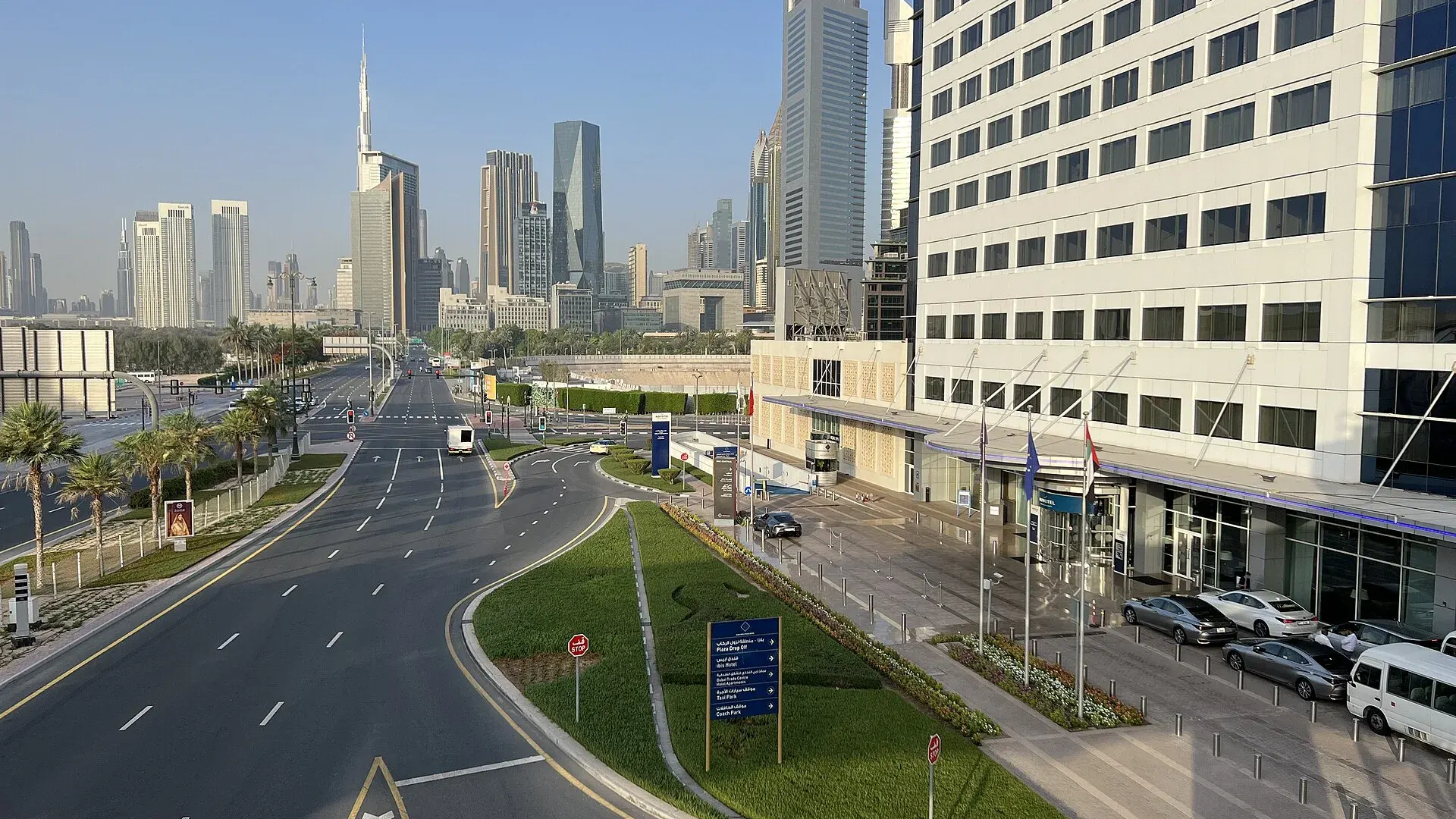
The United Arab Emirates provides one of the most progressive, investor-friendly real estate ownership frameworks in the world. Foreign nationals, international non-residents, and multinational corporate entities can acquire 100% absolute freehold ownership in designated geographic zones across Dubai, with legal title registered directly with the Dubai Land Department (DLD) (UAE Government Official Guidance on Expatriates Buying Property).
However, navigating foreign property acquisition requires precise legal clarity. Freehold eligibility is governed by specific statutory decrees—most notably Dubai Executive Regulation No. 3 of 2006 and subsequent official amendments. Furthermore, assuming that every building in a general neighborhood enjoys freehold status is a common pitfall; title deeds, zoning demarcations, and developer concessions must be verified at the specific property level.
This guide provides a comprehensive legal and operational analysis of Dubai’s freehold communities, the statutory transfer process, required due diligence, and ownership structures for foreign and non-resident buyers.
1. What Does Freehold Ownership Mean in Dubai?
In Dubai property law, ownership tenure is classified into three distinct categories:
| Tenure Type | Duration / Term | Foreign Ownership Rights |
|---|---|---|
| Freehold (Absolute) | In perpetuity (No time limit with rights to sell/inherit | 100% foreign ownership in designated freehold zones |
| Leasehold | Typically 30 to 99 years defined in lease contract | Contractual lease right to occupy; title reverts to owner |
| Usufruct (Musataha) | Typically up to 50 years for commercial/dev plots | Right to use, enjoy, or build without owning underlying land |
Under Regulation No. 3 of 2006 (Determining Areas in which Non-UAE Nationals May Own Real Estate in the Emirate of Dubai), foreign individuals and entities can acquire unconditional freehold title deeds. This grants the owner the unrestricted legal right to occupy, lease, sell, mortgage, gift, or bequeath the asset to heirs under UAE Civil Transactions Law or the DIFC Wills and Probate Registry (Dubai Legislation Reference Portal).
2. Established Dubai Freehold Areas to Explore
Foreign buyers can acquire freehold property across dozens of master-planned communities in Dubai. Below are the premier residential hubs:
Premier Waterfront Freehold Enclaves
- Palm Jumeirah: The global benchmark for beachfront villas and luxury apartments.
- Dubai Marina & JBR: High-density urban canal and beachfront apartments.
- Jumeirah Bay Island: Ultra-prime private island hosting Bulgari Resort & Residences.
- Emaar Beachfront: Gated private island residences between Dubai Marina and the sea.
- Bluewaters Island: Boutique island living beside Ain Dubai.
- Dubai Islands: Nakheel’s five-island coastal master development.
Prime Central & Urban Freehold Enclaves
- Downtown Dubai: Flagship urban towers surrounding Burj Khalifa and Dubai Mall.
- Business Bay: Dynamic residential and commercial high-rises along Dubai Water Canal.
- Dubai International Financial Centre (DIFC): Independent common-law financial hub with residential towers registered under the DIFC Registrar of Real Property.
- Dubai Creek Harbour: Emaar’s modern sustainable waterfront city along the historic creek.
Luxury Villa & Family Suburban Freehold Enclaves
- Emirates Hills: Bespoke luxury mansions surrounding Montgomerie Golf Course.
- Dubai Hills Estate: 2,700-acre master-planned community with golf, parks, and top schools.
- Tilal Al Ghaf: Modern resort community centered around Lagoon Al Ghaf.
- Arabian Ranches (1, 2, 3): Established suburban family villa living.
- Jumeirah Islands & Jumeirah Golf Estates: Lakeside and championship golf-course villa sanctuaries.
- Jumeirah Village Circle (JVC) & JLT: High-yield apartment communities.
- Dubai South (Emaar South): Developing residential corridors near Al Maktoum Airport.
3. How to Verify Whether a Property Is Freehold
Before executing contracts or paying deposits, follow this five-step verification protocol:
| Step | Action | Verification Tool / Source |
|---|---|---|
| 1 | Identify Exact Asset | Title Deed / Oqood Certificate / Plot Number |
| 2 | Verify Legal Tenure | DLD Title Deed Verification Portal |
| 3 | Verify Seller Auth | Passport match, Power of Attorney (POA) DLD validation |
| 4 | Confirm Arrears Status | Developer NOC & Mollak Statement (Zero arrears) |
| 5 | Formal Trustee Escrow | Licensed DLD Real Estate Trustee Office |
- Obtain Official Documentation: Demand a clear copy of the original DLD Title Deed (for ready property) or Oqood Pre-Registration Certificate (for off-plan property).
- Utilize DLD Verification Tools: Verify the certificate electronically via the official Dubai Land Department Title Deed Verification Service. The portal instantly confirms registered owners, plot area, and whether any mortgage or court encumbrance exists.
- Verify Seller Authority: Ensure the seller’s name on the deed exactly matches their current valid passport. If represented by an attorney-in-fact, ensure the Power of Attorney (POA) is notarized in Dubai, certified by DLD, and no older than two years.
- Obtain Developer NOC: The developer must issue an official No Objection Certificate (NOC) confirming that all community service charges are settled in full before transfer.
- Execute at a DLD Trustee Office: Complete the transaction at a licensed DLD Real Estate Registration Trustee office, where the new electronic Title Deed is immediately generated in the buyer’s name.
4. Can Non-Residents Buy Freehold Property in Dubai?
Yes. A foreign national does not need to hold a UAE residence visa or live in the UAE to buy freehold real estate. Non-residents can purchase property while visiting on a standard tourist visa or remotely from abroad through a notarized Power of Attorney.
Key Practical Considerations for Non-Residents
- Banking & Funds Transfer: Foreign buyers can wire funds directly from offshore bank accounts into licensed DLD Trustee escrow accounts or developer project escrow accounts. Ensure compliance with UAE Central Bank Anti-Money Laundering (AML) regulations and Source of Funds documentation.
- Mortgage Availability: UAE banks offer mortgages to non-resident international buyers, typically requiring a 40% to 50% down payment (50% to 60% Loan-to-Value) and verified international income statements.
- Taxation: The UAE levies 0% capital gains tax and 0% personal income tax on real estate returns. Foreign buyers should consult local tax advisors regarding tax reporting obligations in their home countries.
5. What Costs Should Foreign Buyers Budget For?
A transparent budget must include statutory registration fees, trustee tariffs, and professional advisory charges:
| Fee Item | Authority / Tariff | Typical Amount |
|---|---|---|
| DLD Property Transfer Fee | Dubai Land Department | 4% of Purchase Price |
| DLD Knowledge & Innovation Fees | Fixed Authority Fee | AED 580 |
| Real Estate Trustee Fee | Licensed Trustee Tariff | AED 4,200 (+ 5% VAT) |
| Real Estate Advisory Commission | Brokerage Contract | 2% (+ 5% UAE VAT) |
| Developer Transfer NOC | Master Developer | AED 1,000 - 5,000 |
| Mortgage Registration Fee (if any) | DLD Tariff | 0.25% of loan + AED 290 |
| Conveyancing / Legal Review | Independent Counsel | AED 10,000 - 25,000 |
| Estimated Total Upfront Costs | Overall transaction basis | ~6.5% to 7.0% |
To review ongoing community maintenance costs, consult the official Dubai Land Department Mollak Service Charge Index.
6. Can Foreign Buyers Purchase Off-Plan Property?
Yes. Foreign buyers can acquire primary off-plan residences directly from developers under phased payment plans.
To ensure capital protection on off-plan purchases:
- Verify that the developer and project are registered with RERA using the Dubai Land Department Project Status Enquiry Service.
- Confirm that all milestone payments are deposited strictly into the project’s dedicated DLD-approved escrow account (Law No. 8 of 2007).
- Ensure you receive the official Oqood certificate issued by the DLD confirming your pre-registration ownership rights.
7. Does Buying Freehold Property Give You UAE Residency?
Property ownership and immigration status are distinct legal processes. However, qualifying real estate acquisitions provide direct pathways to long-term UAE residence visas:
- 10-Year Renewable UAE Golden Visa: Available to property investors who purchase real estate with a total value or equity of at least AED 2,000,000 (whether ready, mortgaged, or off-plan with developer equity). Covers the investor, spouse, dependent children, and domestic staff.
- 2-Year Investor Visa: Available for properties valued at AED 750,000 or higher.
Golden Visa processing is facilitated directly through the Dubai Land Department Cube or authorized immigration centers upon issuance of the Title Deed or Oqood certificate.
8. Freehold Property: Investment and Resale Considerations
While freehold title grants perpetual ownership rights, sound investment outcomes require disciplined fundamental analysis:
- Benchmark Real Transaction Data: Base valuations on verified historical transfer deeds registered on the Dubai Land Department Real Estate Data portal rather than portal listing prices.
- Stress-Test Net Yields: Deduct Mollak service charges, property management (5% to 8%), and a 5% vacancy allowance from gross rents to establish true net cash flow.
- Structure Ownership Vehicles: For multi-property portfolios or high-value estates, consider holding real estate through a DIFC Foundation or ADGM SPV for orderly generational succession and asset protection.
Frequently Asked Questions
What is the difference between freehold and leasehold property in Dubai?
Freehold ownership grants unconditional, permanent ownership of the property and the land it sits on, with no expiration date. Leasehold grants the right to occupy a property for a specified contractual period (typically 30 to 99 years), after which the asset reverts to the freeholder.
Which nationalities can buy freehold property in Dubai?
Any nationality. There are no restrictions on the nationality, citizenship, or residency of buyers acquiring property in Dubai’s designated freehold areas under Regulation No. 3 of 2006.
How do I confirm that a property is legally freehold?
Inspect the official Title Deed or Oqood certificate and verify it electronically using the DLD Title Deed Verification Service. The deed explicitly states whether the property is registered under freehold ownership.
Can a foreign company purchase freehold real estate in Dubai?
Yes. Foreign and offshore companies can acquire freehold property in Dubai, provided they establish a corporate holding SPV or branch registered in an approved UAE free zone, such as the Dubai International Financial Centre (DIFC) or Jebel Ali Free Zone (JAFZA).
What is the minimum investment required to obtain a UAE Golden Visa through real estate?
The minimum property purchase value or equity investment required to qualify for the 10-year UAE Golden Visa is AED 2,000,000.
Suggested Internal Reading
- The Best Areas to Buy Property in Dubai
- Best Dubai Areas for Luxury Villas
- Best Dubai Areas for Branded Residences
- Dubai Freehold vs. Leasehold Property: Complete Guide
- Can Non-Residents Buy Property in Dubai?
- Documents Required to Buy Property in Dubai
- Private Property Acquisition in Dubai: A Buyer’s Guide
Private Inquiries & Advisory
For private consultations and property advisory: +971 586776996 (WhatsApp & Call)








