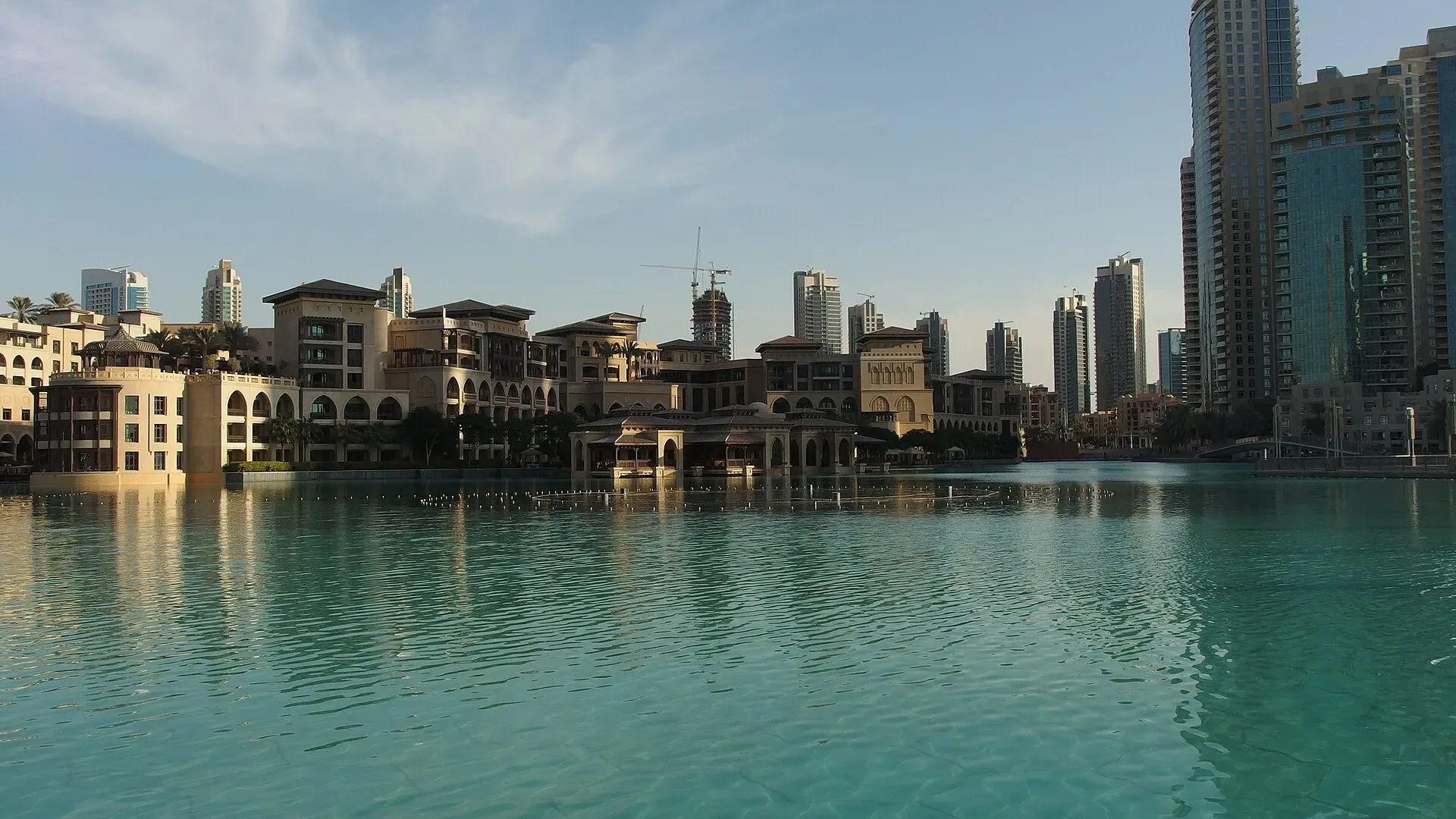
For international property owners, acquiring real estate in Dubai represents only the first phase of long-term wealth preservation. An equally critical consideration is structuring what happens to the asset upon the owner’s death or physical/mental incapacity.
Without proactive succession planning, surviving family members and intended heirs often face statutory asset freezes, complex probate proceedings across multiple legal jurisdictions, and procedural delays before real estate title deeds can be transferred or rental revenues disbursed.
Dubai has established world-class legal frameworks and dedicated will-registration registries for international property owners, headlined by the DIFC Courts Wills Service and the provisions of Dubai Law No. 15 of 2017. However, selecting the appropriate succession structure requires aligning legal instruments with the owner’s religion, nationality, corporate holding vehicles, and cross-border tax domicile.
This guide provides an institutional overview of real estate inheritance and estate planning mechanisms in Dubai.
1. Why Real Estate Succession Planning Is Essential in the UAE
Real estate assets in Dubai often form a substantial proportion of an investor’s balance sheet. Furthermore, prime properties are frequently intertwined with bank mortgages, corporate lease contracts, multi-currency rental escrow flows, and jointly held family interests.
A formalized succession plan ensures:
- Immediate Administrative Continuity: Appointing trusted executors and legal personal representatives with clear authority to manage real estate assets, service debt obligations, and collect rents.
- Pre-Emption of Asset Freezes: Under UAE banking practice, personal bank accounts—including joint accounts in certain instances—can be temporarily frozen upon notification of an account holder’s death until formal probate clearance is issued.
- Avoidance of Default Intestate Distribution: Ensuring real estate passes according to specific testamentary wishes rather than default statutory formulas.
- Protection of Minor Beneficiaries: Appointing legal guardians and establishing trust mechanisms for minor children holding economic interests in Dubai property.
| Operational Objective | Legal Mechanism & Risk Mitigation |
|---|---|
| Title Deed Transmission | Direct, orderly transfer via DLD without protracted litigation |
| Mortgage Settlement | Structuring life insurance and liquid estate funds to discharge loans |
| Rental Flow Maintenance | Granting executors legal authority to renew Ejari leases & bank accounts |
| Cross-Border Alignment | Harmonizing UAE testamentary instruments with foreign worldwide wills |
2. The Legal Framework: Dubai Law No. 15 of 2017
In 2017, Dubai enacted landmark legislation establishing comprehensive succession rights for non-Muslims: Dubai Law No. 15 of 2017 Concerning the Administration of Estates and Implementation of Wills of Non-Muslims in the Emirate of Dubai.
Key statutory provisions include:
- Freedom of Testamentary Disposition: Article 6 guarantees eligible non-Muslims the right to devise and bequeath all real and personal property situated in Dubai according to their chosen testamentary wishes.
- Recognition of DIFC Wills: Formally integrates the jurisdiction of the DIFC Courts and the Dubai Courts, ensuring orders for probate issued by the DIFC Courts are recognized and enforced directly by the Dubai Land Department.
- Statutory Priority of Debts: Establishes a strict priority waterfall for estate liabilities: funeral expenses, court probate fees, outstanding estate debts/mortgages, and finally distribution to testamentary beneficiaries.
Review the official statute on the Dubai Legislation Portal — Law No. 15 of 2017.
3. What Happens If a Property Owner Dies Without a Will (Intestacy)?
When an international owner dies without registering a valid will covering UAE assets, the estate is classified as intestate.
The statutory consequences depend on the legal framework:
- Non-Muslim Intestacy: Under Federal Decree-Law No. 41 of 2022 on Civil Personal Status, intestate estates of non-Muslim foreign nationals are distributed according to civil equal-sharing rules (e.g., surviving spouse receives 50%, with the remaining 50% divided equally among children regardless of gender).
- Muslim Property Owners: Succession for Muslim individuals is governed by the principles of Islamic Sharia under Federal Law No. 28 of 2005 (Personal Status Law), applying fixed statutory inheritance shares (Faraid) administered through the Dubai Sharia Courts.
- Probate Delays: The deceased’s family must submit certified legal heirship certificates from their home country, attested through the foreign ministry and the UAE Embassy, translated into Arabic, and verified by the Dubai Courts before DLD will execute a title transfer.
4. The DIFC Courts Wills Service: Institutional Overview
Established in 2015, the DIFC Courts Wills Service operates as an internationally recognized common-law will registry based in the Dubai International Financial Centre (DIFC Courts Wills Portal).
Eligible testators must be:
- Non-Muslim individuals;
- At least 18 years of age;
- Holding assets situated in the UAE or possessing minor children habitually resident in Dubai or the wider UAE.
The DIFC Courts Wills Service offers English-language drafting, digital registration via secure virtual video link, and direct execution pathways through the DIFC Courts probate registry (DIFC Courts Wills FAQ).
5. Comparative Analysis of Will Categories
| Will Type | Asset Coverage Scope | Ideal Investor Application |
|---|---|---|
| Property Will | Up to 5 specific UAE properties | Direct real estate investors |
| Full Will | All movable & immovable assets | Comprehensive UAE estate + Guardianship |
| Business Owners Will | Up to 5 UAE corporate entities | Investors holding real estate via UAE SPVs |
| Financial Assets Will | Up to 10 UAE bank/broker accts | Liquid cash, investment deposits, brokerage |
| Guardianship Will | Minor children guardianship | Expatriate families with resident children |
The DIFC Property Will
Specifically structured for real estate investors, the Property Will covers up to five distinct real estate properties (or fractional equity interests in them) located across the UAE. If an investor expands their portfolio beyond five properties, a DIFC Full Will is required.
6. Structuring Executors, Beneficiaries, and Alternates
Appointing the right personal representatives is critical for cross-border estate administration:
- Primary and Alternate Executors: Appoint at least two executors. Consider appointing an institutional trust company or licensed legal practitioner alongside a surviving spouse or adult child to ensure administrative execution if family members reside abroad.
- Beneficiary Designations: Specify whether beneficiaries take property as joint tenants with rights of survivorship, tenants in common with defined percentage shares, or through life-interest trusts.
- Substitute Beneficiaries: Insert “per stirpes” or substitute beneficiary clauses to govern what happens if a primary heir predeceases the testator.
7. Succession for Real Estate Owned Through Companies & SPVs
When real estate is held through a corporate structure—such as a DIFC Special Purpose Vehicle (SPV), ADGM SPV, or JAFZA Offshore entity—the property is owned legally by the company, not the individual.
Key estate planning implications:
- Succession Attaches to Corporate Shares: Estate planning must focus on the transfer of the company’s registered shares, not the physical real estate deed.
- DIFC Business Owners Will: A DIFC Business Owners Will or Full Will must be registered to govern the transmission of shares in the SPV to intended heirs upon the principal’s death.
- Articles of Association Synchronization: Ensure the SPV’s Articles of Association do not contain automatic share buyout, pre-emption, or dissolution clauses that contradict the terms of the registered will.
- DIFC Foundations: Global family offices frequently transfer property-holding SPVs into a DIFC Foundation, establishing a perpetual legal structure that completely bypasses individual probate upon the founder’s death.
8. Handling Mortgages, Liens, and Estate Liabilities
Under Article 16 of Dubai Law No. 15 of 2017, estate liabilities take absolute precedence over testamentary gifts:
| Priority Rank | Liability Description |
|---|---|
| Priority 1 | Reasonable funeral and burial expenses of the deceased |
| Priority 2 | Judicial expenses, court fees, and estate administration costs |
| Priority 3 | Registered mortgage claims secured over the specific real property |
| Priority 4 | Unpaid service charges, utilities, and municipality fees |
| Priority 5 | General unsecured creditor claims |
| Residual Balance | Distributed to named testamentary beneficiaries under the registered will |
Prudent Planning: If a property carries an active mortgage, ensure the owner holds an active UAE term life insurance policy assigned to the lending bank, ensuring the debt is cleared immediately upon death and the asset passes debt-free to heirs.
9. Harmonizing Cross-Border Wills and Multiple Jurisdictions
International investors frequently hold assets across London, Geneva, Singapore, New York, and Dubai. Having multiple wills across jurisdictions requires precise legal drafting:
- Avoid Accidental Revocation: Ensure your foreign will does not contain a generic revocation clause that unintentionally cancels your UAE/DIFC Will.
- Jurisdictional Ring-Fencing: Explicitly state that your DIFC Will governs assets situated in the UAE, while foreign wills govern assets in their respective domestic territories.
- Dual Probate Avoidance: Relying exclusively on an English or European grant of probate requires lengthy apostille, diplomatic legalization, and court re-sealing procedures in Dubai that can delay asset transfers by 12 to 24 months.
10. Mandatory Review Triggers
A real estate succession plan should be updated whenever significant lifecycle milestones occur:
- Portfolio Additions: Acquiring a 6th property requires upgrading a Property Will to a Full Will.
- Corporate Restructuring: Transferring personally held assets into an SPV or DIFC Foundation.
- Family Status Changes: Marriage, divorce, birth of children, or a named executor becoming incapacitated.
- Legislative Reforms: Monitoring changes in UAE federal personal status and tax transparency decrees.
11. Property Succession Planning Checklist
- Compile an inventory of all UAE real estate holdings with Title Deeds and Makani parcel numbers.
- Identify whether properties are owned in personal names or through SPVs/Foundations.
- Confirm eligibility for the DIFC Courts Wills Service (non-Muslim status).
- Select primary and substitute executors with international administrative capability.
- If holding mortgaged property, verify mortgage protection life insurance coverage.
- Register an official DIFC Property Will or Full Will via video link.
- Review foreign wills to ensure explicit territorial ring-fencing.
- Store original sealed documents securely and inform executors of registry coordinates.
Frequently Asked Questions
Can foreign non-residents register a property will in Dubai?
Yes. Non-resident foreign nationals who own real estate in the UAE can register a DIFC Courts Property Will or Full Will without requiring UAE residency.
Does a will made in the UK or Europe automatically cover Dubai real estate?
Not automatically. To enforce a foreign will in Dubai, the foreign grant of probate must be legalized, attested by the UAE Embassy in the issuing country, translated into Arabic, and ratified by the Dubai Courts—a process that is complex, costly, and time-consuming. Registering a dedicated DIFC Will avoids this friction.
What is the maximum number of properties covered under a DIFC Property Will?
A standard DIFC Property Will can cover up to five specific UAE real estate properties or fractional interests. Portfolios containing six or more properties require a DIFC Full Will.
What happens to a property held through an SPV if the shareholder dies?
The physical real estate remains titled to the SPV. However, the deceased’s shares in the SPV must be probated through the registered will and transferred to heirs before corporate decisions or asset sales can occur.
Are joint property owners protected by automatic survivorship in Dubai?
No. UAE law does not recognize the common-law doctrine of automatic survivorship for real property. A deceased joint owner’s percentage share must pass through formal probate under their registered will or intestacy rules.
Suggested Internal Reading
- Dubai Property Ownership Through a Company
- Buying Dubai Property Through an SPV
- Dubai Property Laws Every Foreign Buyer Should Know
- Freehold Property Ownership Rights in Dubai
- How to Buy a Luxury Property Through a Company or Family Office in Dubai
- Private Property Acquisition in Dubai: A Buyer’s Guide
Private Inquiries & Advisory
For private consultations and property advisory: +971 586776996 (WhatsApp & Call)








