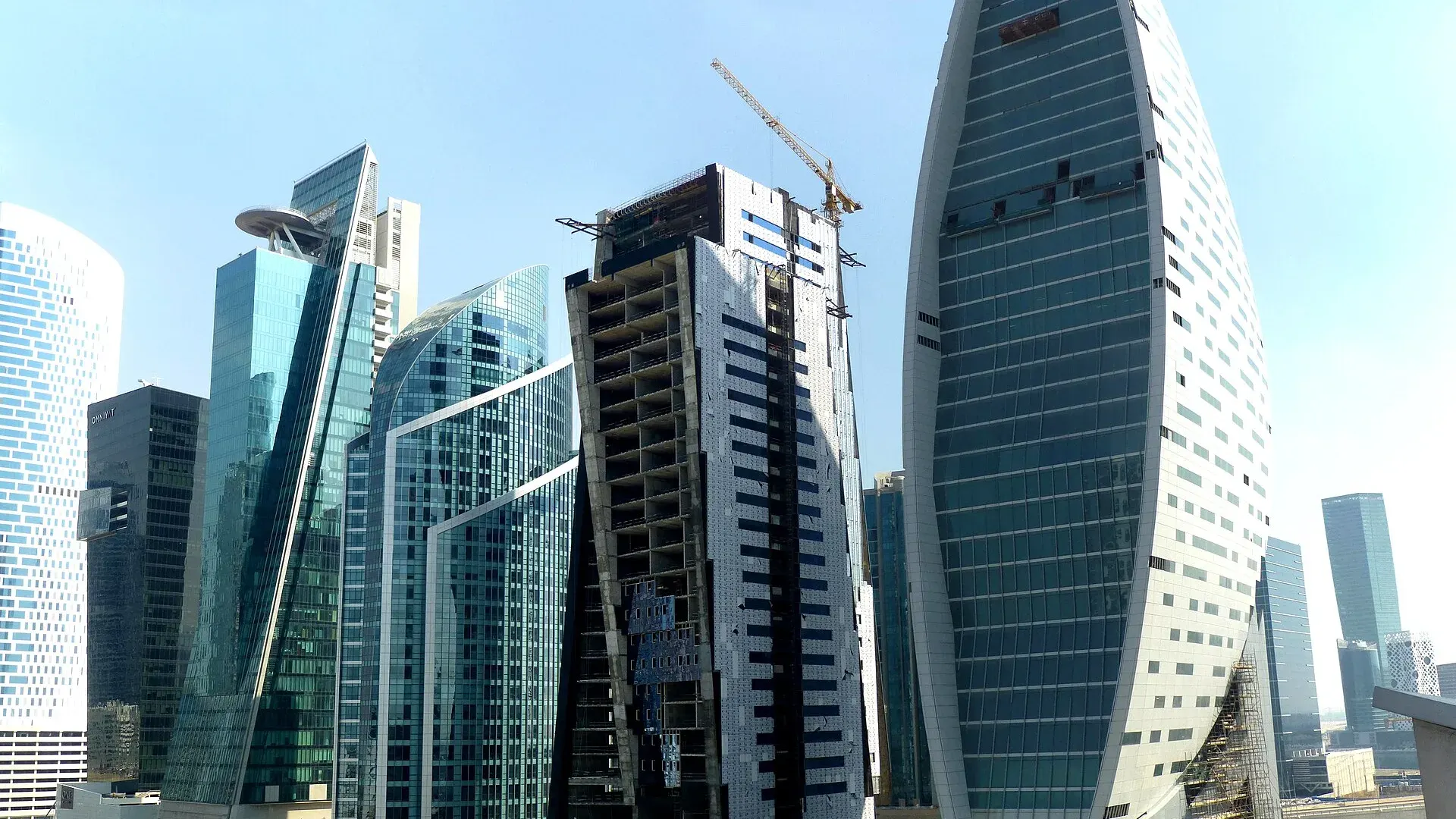
Dubai has established one of the world’s most transparent, investor-friendly, and highly regulated real estate legal environments. Since the landmark introduction of foreign ownership legislation in 2002, international investors, expatriates, and multinational family offices have held the legal right to purchase, lease, mortgage, and inherit real estate with full statutory protection.
However, acquiring real estate in Dubai is governed by specific statutory decrees, registration requirements, and regulatory oversight bodies—primarily the Dubai Land Department (DLD) and the Real Estate Regulatory Agency (RERA). Foreign buyers must understand the distinction between freehold and leasehold zones, mandatory interim off-plan registrations, escrow account protections, and corporate entity eligibility.
This legal guide outlines the fundamental property laws governing foreign real estate acquisitions in Dubai.
1. The Legal Foundation of Foreign Ownership: Regulation No. 3 of 2006
Prior to 2002, foreign nationals were restricted from owning real property in Dubai. The modern legal framework is anchored by Law No. 7 of 2006 concerning Real Property Registration in the Emirate of Dubai, supplemented by Regulation No. 3 of 2006.
| Statutory Right | Legal Scope & Enforceability |
|---|---|
| Freehold Ownership | Absolute ownership with no time expiry in designated investment zones |
| Usufruct Rights (Musataha) | Right to use and exploit real property for terms up to 99 years |
| Long-Term Leasehold | Long-term tenancy leases up to 99 years in designated areas |
| Geographical Boundaries | Restricted exclusively to designated freehold areas determined by Ruler |
Under Regulation No. 3 of 2006, non-UAE and non-GCC nationals can acquire unrestricted freehold title exclusively within officially designated freehold areas, including Palm Jumeirah, Downtown Dubai, Dubai Marina, Business Bay, DIFC, Emirates Hills, and Jumeirah Bay Island.
Review the official decree on the Dubai Legislation Portal — Regulation No. 3 of 2006.
2. Distinguishing Freehold, Leasehold, and Usufruct Interests
| Tenure Class | Maximum Duration | Transfer & Resale Rights | Typical Application |
|---|---|---|---|
| Freehold Title | Indefinite / Forever | Unrestricted resale | Prime Dubai residential zones |
| Usufruct Rights | Up to 99 Years | Assignable with consent | Commercial & industrial land |
| Leasehold Title | Typically 10-99 Yrs | Contractual assignment | Select institutional plots |
- Freehold Title: Grants absolute title over both the physical building and the underlying land plot (for villas/mansions), or an undivided share of common property (for apartments).
- Leasehold: Grants occupation rights for a fixed contractual term, returning ownership to the master freeholder upon lease expiration.
- Usufruct: A civil law right conferring the authority to utilize and enjoy the fruits of another party’s property without altering its essential character.
Consult the UAE Government Portal on Expatriate Property Ownership for federal guidelines.
3. Off-Plan Interim Registration: Law No. 13 of 2008 (Oqood)
To eliminate unrecorded off-plan transactions and prevent fraudulent duplicate sales, Dubai enacted Law No. 13 of 2008 regulating the Interim Real Property Register, as amended by Law No. 9 of 2009 and Law No. 19 of 2017.
| Legal Mandate | Statutory Consequence |
|---|---|
| Mandatory Initial Registration | Any sale of off-plan property not registered is legally void |
| Registration Responsibility | Developing entity must submit registration documents to DLD |
| Government Fee | 4% DLD transfer fee + Oqood administrative issuance fee |
| Government Proof of Ownership | Official electronic Oqood Certificate issued to purchaser |
Under Article 3 of Law No. 13 of 2008, any disposition of off-plan property that is not entered into the Interim Real Property Register is considered null and void. Purchasers must verify their transaction via the DLD Initial Sale Registration Portal.
4. Escrow Account Protections: Law No. 8 of 2007
The Dubai Real Estate Escrow Accounts Law (Law No. 8 of 2007) provides crucial statutory protection for buyer capital:
- Segregated Project Accounts: Every licensed off-plan project must open a dedicated escrow account in an accredited UAE financial institution.
- Strict Construction-Linked Withdrawals: Developers cannot utilize purchaser funds for general corporate overhead or land acquisition; withdrawals are authorized by RERA solely against audited construction progress.
- Mandatory 5% Handover Buffer: 5% of the total construction cost is held in escrow for 12 months post-handover to guarantee structural and mechanical defect rectifications.
Review regulatory provisions via the DLD Frequently Asked Questions Portal.
5. Ready Property Conveyancing and Title Registration
For completed (ready) real estate, title transfer is governed by Law No. 7 of 2006:
| Conveyancing Stage | Statutory Requirement & Procedure |
|---|---|
| Contract Form F (MOU) | Standard unified contract executed via DLD REST platform |
| Security Deposit | 10% manager's cheque held by RERA-registered broker trustee |
| Developer NOC Issuance | Developer clearance confirming zero outstanding service charges |
| DLD Registration Trustee Closing | Formal transfer at authorized trustee office; Title Deed issued |
Title deeds can be verified instantly by scanning the official QR code on the DLD Title Deed Verification Gateway.
6. Property Ownership via Corporate Vehicles, Foundations, and Family Offices
Foreign investors frequently acquire high-value Dubai real estate through corporate entities:
- Permitted Corporate Structures: Direct freehold property registration is permitted for onshore UAE companies, entities registered in free zones having bilateral agreements with DLD (specifically DIFC and JAFZA), and ADGM Special Purpose Vehicles (SPVs).
- DIFC Foundations: Increasingly favored by global family offices for generational wealth preservation, asset protection, and succession planning.
- Foreign Offshore Restrictions: Standard BVI, Cayman, or foreign offshore companies cannot directly hold Dubai real estate without structuring through an approved DIFC or JAFZA intermediary holding entity.
7. Decennial Defect Liability: UAE Civil Transactions Law
Post-handover construction defect claims are governed by federal legislation:
- Article 880 of Federal Law No. 5 of 1985 (Civil Transactions Law): Imposes joint strict liability on the supervising architect/engineer and contractor for 10 years (decennial liability) from handover against total or partial collapse of structural works or major defects threatening building stability.
- 1-Year MEP Defect Period: For non-structural components (HVAC, plumbing, electrical, carpentry), standard contracts provide a mandatory 1-year defect liability warranty.
8. Service Charge Transparency: Law No. 6 of 2019 (Jointly Owned Property)
Dubai’s Jointly Owned Property Law (Law No. 6 of 2019) regulates the ownership and management of common areas in multi-unit buildings:
- Mollak Electronic System: Developers cannot collect service charges directly. All operational budgets must be audited by independent accountants, approved by RERA, and billed electronically via Mollak.
- Owners Committee Oversight: Owners have statutory rights to form non-profit Owners Committees to audit facility management contracts and operational expenditures.
Benchmark historical building service charges using the DLD Service Charge Index.
9. UAE Golden Visa Through Real Estate Investment
Foreign property buyers can qualify for long-term UAE residency under the Federal Golden Visa framework:
| Regulatory Requirement | Statutory Criterion |
|---|---|
| Minimum Equity / Investment Value | AED 2,000,000 (Two Million Dirhams) |
| Asset Eligibility | Ready properties or qualifying off-plan registered units |
| Aggregation Allowance | Multiple properties can be combined to reach AED 2M threshold |
| Mortgage Financed Real Estate | Permitted if net equity paid meets minimum AED 2M threshold |
| Visa Validity & Dependents | 10-Year renewable residency for investor, spouse, & children |
10. Foreign Buyer Due Diligence Scorecard
Before signing or transferring funds:
- Confirm property plot is situated in an approved foreign freehold zone.
- Inspect Title Deed or Oqood registration status on official DLD portal.
- Verify project escrow account IBAN against RERA database records.
- Ensure SPA includes certified construction milestone payment triggers.
- Audit corporate entity documentation for DIFC/ADGM SPV acquisitions.
- Retain qualified UAE real estate legal counsel for conveyancing oversight.
Frequently Asked Questions
Can foreign nationals own 100% freehold property in Dubai?
Yes. Under Regulation No. 3 of 2006, foreign nationals of any citizenship can acquire 100% absolute freehold title in designated investment zones.
Do I need UAE residency to buy property in Dubai?
No. Non-resident international buyers can purchase ready or off-plan real estate using a valid passport, without requiring UAE residency.
Does buying property grant automatic UAE citizenship?
No. Property ownership does not grant citizenship. However, purchasing qualifying property valued at AED 2,000,000 or more entitles the investor to apply for the renewable 10-year UAE Golden Visa.
How do I verify that a property is genuinely freehold?
Request the official Title Deed or Oqood certificate and verify its validity using the electronic DLD Title Deed Verification service.
What are the statutory purchase fees in Dubai?
The mandatory government fee is the 4% Dubai Land Department transfer fee plus administrative registration fees (AED 4,000 for trustee registration on ready homes, or AED 1,000 to AED 3,000 for Oqood registration).
Suggested Internal Reading
- Freehold Property Ownership Rights in Dubai
- How to Evaluate a Developer’s Sales and Purchase Agreement in Dubai
- Questions to Ask Before Reserving a New Development in Dubai
- Dubai Off-Plan Property Buying Guide
- How to Buy a Luxury Property Through a Company or Family Office in Dubai
- Private Property Acquisition in Dubai: A Buyer’s Guide
Private Inquiries & Advisory
For private consultations and property advisory: +971 586776996 (WhatsApp & Call)








