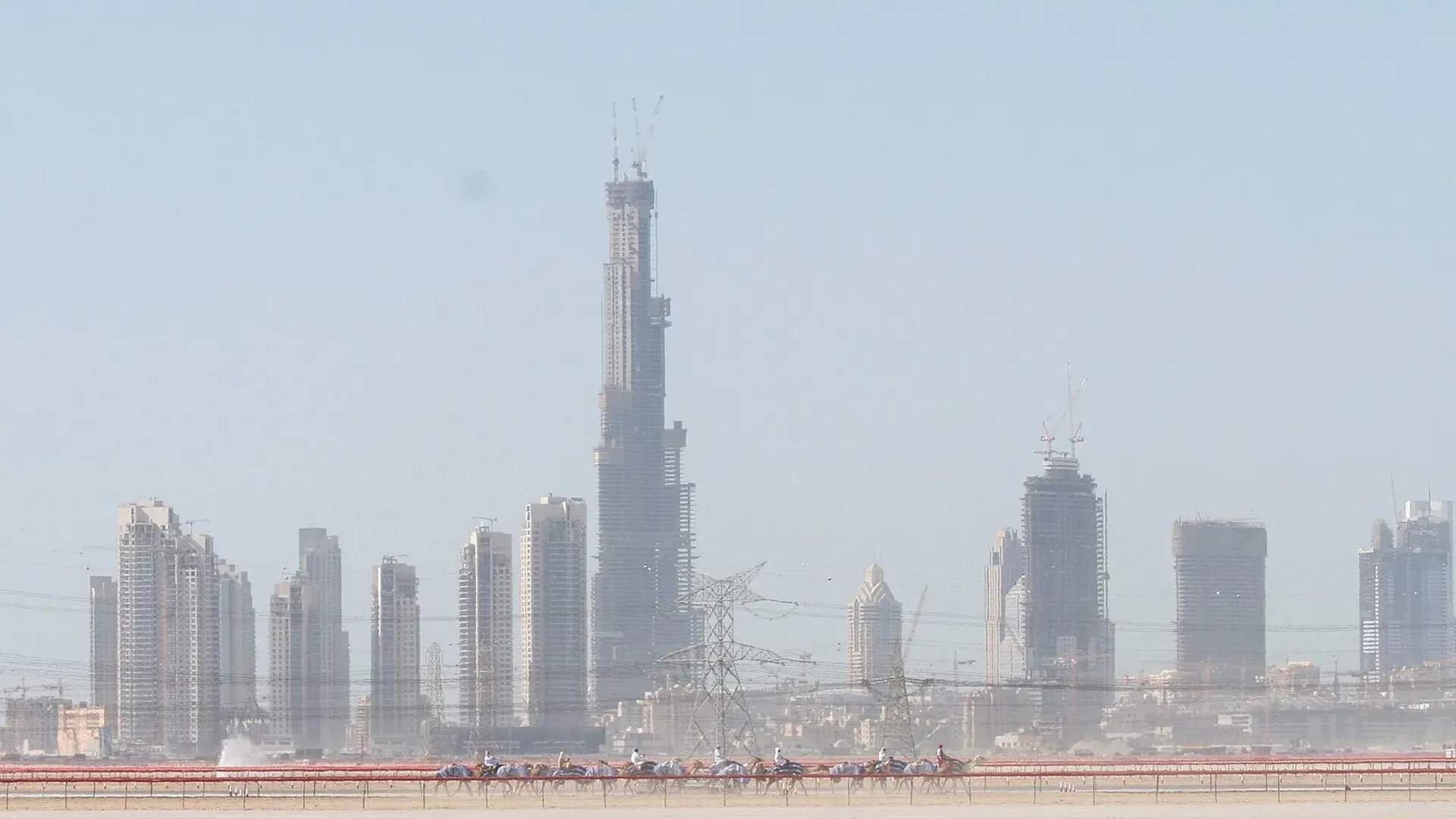
When acquiring off-plan real estate in Dubai, evaluating the developer’s historical track record and execution pedigree is just as critical as analyzing location, unit floor plan, pricing, and payment structures.
A high-profile launch event, celebrity brand ambassadorship, or hyper-realistic CGI animation can generate immense market excitement. However, marketing collateral cannot establish whether a developer reliably delivers projects on schedule, preserves promised architectural finish specifications, communicates transparently during delays, or conducts an orderly handover process under UAE real estate law.
For international buyers and family offices committing significant capital, assessing a developer requires rigorous examination of verifiable public records, regulatory filings, physical asset inspections, and contractual terms.
This guide provides an exhaustive due diligence framework for auditing a property developer’s delivery history and operational track record in Dubai.
1. Decoupling Group Reputation from Project-Specific Execution
A parent conglomerate or sovereign-linked brand may possess an esteemed regional reputation, but that does not guarantee that every subsidiary or individual joint-venture development carries identical risk.
Key legal and operational questions to resolve:
- The Contracting Entity: Identify the exact corporate entity registered on the Reservation Agreement and Sale and Purchase Agreement (SPA). Is it the master development holding company, a single-purpose project SPV (Special Purpose Vehicle), or an independent joint venture?
- Contractual Liability Allocation: If a major hospitality or automotive brand is attached to the tower, confirm who holds legal liability for construction defects and handover delays. Brand partners license intellectual property and operating standards; they rarely carry construction completion liability.
- Licensing & Registration: Confirm that both the developer entity and the specific project hold active commercial licenses and developer registrations with the Real Estate Regulatory Agency (RERA).
| Dimension | Investigation Method & Verification Source |
|---|---|
| Legal Developing Entity | Review Trade License and RERA Developer Registration Certificate |
| Corporate Structure | Determine whether entity is a ring-fenced SPV or parent guarantee |
| Brand Association Role | Examine Tripartite Licensing Agreement (Owner / Dev / Brand) |
| Direct Handover Liability | Confirm signatory authority on SPA under UAE Civil Transactions Law |
2. Auditing the Portfolio of Completed Projects
Never evaluate a developer based on total square footage launched or pipeline announcements. Focus exclusively on projects that have received official Building Completion Certificates (BCC) and completed handovers.
When reviewing comparable completed schemes, compile:
- Initial Announced Handover Date: The target completion date communicated during the initial launch phase.
- Certified Completion Date: The formal date stamped on the DLD Building Completion Certificate.
- Variance Percentage: The elapsed delay beyond statutory grace periods (typically 6 to 12 months in standard UAE contracts).
- Typology Relevance: Benchmark like-for-like assets. A developer with extensive experience building mid-market residential towers in suburban master plans may lack the technical specialized expertise required to execute a complex waterfront mansion, super-tall tower, or branded ultra-luxury residence.
| Past Project Name | Asset Typology | Contracted Handover | Certified DLD Completion |
|---|---|---|---|
| Project Alpha | High-Rise Luxury | Q4 2022 | Q2 2023 (+6 Months Variance) |
| Project Beta | Waterfront Mansions | Q1 2024 | Q1 2024 (On Schedule) |
| Project Gamma | Branded Residences | Q3 2024 | Q1 2025 (+6 Months Variance) |
3. Verifying Construction Progress Through Official DLD Portals
Dubai provides unprecedented regulatory transparency through government-backed digital gateways. Rather than relying on developer marketing newsletters or broker assurances, retrieve independent government inspection reports.
Official monitoring resources:
- DLD Project Status Enquiry Gateway: Track real-time certified completion percentages, site inspection photos, and escrow account banking details via the DLD Project Status Tracking Portal.
- Dubai REST Application: Access comprehensive project registration profiles, developer records, licensed escrow agents, and contractor appointments.
- DLD Open Data Platform: Cross-reference registered historical sales transactions, mortgage registrations, and transfer volumes using DLD Real Estate Open Data.
| Portal Data Point | Critical Verification Objective |
|---|---|
| Certified Completion % | Compare verified progress against contractual payment schedules |
| Last Inspection Date | Confirm site audits are conducted on a current quarterly basis |
| Escrow Account Bank & IBAN | Match exact account coordinates against payment instructions |
| Main Contractor & Consultant | Audit track record of appointed tier-1 construction engineering |
4. Analyzing Project Delay Patterns and Legal Grace Periods
Construction delays occur across all international real estate markets due to global supply chain disruptions, complex engineering tolerances, or authority approvals. The distinguishing factor of an institutional developer is how delays are managed, communicated, and mitigated.
Key contractual mechanisms to scrutinize:
- Contractual Handover Date: The baseline date stipulated in Clause 3 or 4 of your Sale and Purchase Agreement.
- Permitted Extension / Grace Period: UAE SPAs universally include a developer grace period, traditionally 6 to 12 months, allowing completion to shift without developer default.
- Force Majeure Provisions: Examine contractual definitions of unforeseen events and whether supply chain inflation or subcontractor insolvency are improperly classified as force majeure.
- Buyer Termination & Compensation Rights: Review whether the contract provides liquidated damages, interest compensation, or contract termination mechanisms under Law No. 19 of 2017 if delays exceed permitted statutory thresholds.
5. Inspecting Physical Build Quality Beyond Speed
A building delivered ahead of schedule that suffers from substandard materials, improper waterproofing, or inadequate acoustic insulation represents a poor long-term investment.
Whenever possible, conduct an in-person physical audit of the developer’s recently completed projects.
| Inspection Category | Engineering & Finishing Benchmarks |
|---|---|
| Facade & Glazing | Acoustic decibel insulation, low-E UV solar tinting, salt air corrosion |
| Joinery & Stone | Natural book-matched marble vs reconstituted tiles; solid wood doors |
| MEP & HVAC Balancing | Thermal zone balancing, chiller noise decibels, fresh air ventilation |
| Vertical Transportation | Lift cab speeds, destination control dispatching, waiting times |
| Common Amenities | Quality of pool waterproofing, fitness equipment brands, landscaping |
| Parking & Loading Bays | Wide vehicle bay clearances, dedicated EV chargers, driver facilities |
6. Snagging Procedures, Defect Liability, and After-Sales Service
A developer’s post-handover customer care culture significantly impacts both owner satisfaction and ongoing property operating yields.
- Pre-Handover Snagging Protocol: Determine whether the developer permits independent third-party snagging inspection companies access to the unit prior to final balance disbursement.
- Defect Liability Period (DLP): Under Article 880 of the UAE Civil Transactions Law (Federal Law No. 5 of 1985), the developer and supervising contractor remain strictly liable for 10 years (decennial liability) for total or partial collapse of structural works. For mechanical, electrical, and plumbing (MEP) systems, standard contracts provide a 1-year comprehensive defect warranty.
- Mollak Integration: Confirm that post-handover service charges are billed through RERA’s Mollak platform, ensuring funds are deposited into audited Owners Association bank accounts rather than commingled with developer operations.
7. Escrow Account Governance Under Law No. 8 of 2007
Dubai’s off-plan regulatory architecture is anchored by the Real Estate Escrow Accounts Law (Law No. 8 of 2007), designed to safeguard purchaser equity against developer diversion or commingling of project funds.
| Statutory Mechanism | Investor Protection Benefit |
|---|---|
| Mandatory Project Escrow | All buyer installment funds deposited into segregated accounts |
| Milestone-Linked Releases | RERA authorizes withdrawals solely against verified site work |
| 5% Structural Retainage Buffer | 5% of construction cost retained for 1 year post-handover |
| Direct Contractor Payments | Funds released directly to consultants, contractors & suppliers |
Crucial Safety Rule: All installment invoices must bear the exact project name and match the official escrow account IBAN registered with the Dubai Land Department. Review official escrow guidance via the DLD FAQs Gateway. Never disburse payments to brokerage agencies, personal accounts, or unverified corporate entities.
8. The Developer Due Diligence Scorecard
Before signing a reservation form or committing capital, complete this weighted evaluation scorecard:
| Evaluation Category | Weight | Scoring Basis (1 - 5) | Verification Source |
|---|---|---|---|
| 1. Certified Delivery History | 25% | On-time completion track | DLD Project Status Portal |
| 2. Physical Construction Quality | 20% | Material audit of past | Physical site inspection |
| 3. Financial & Escrow Transparency | 20% | RERA escrow compliance | Official escrow records |
| 4. Contractual Fairness on Delays | 15% | Grace periods & remedies | Independent legal review |
| 5. Post-Handover Care & Snagging | 10% | 1-Year DLP compliance | Historical owner feedback |
| 6. Master Community Integration | 10% | Infrastructure delivery | Master developer filings |
| TOTAL SCORE | 100% | Minimum Threshold: 80% | Comprehensive Due Diligence |
9. Six Critical Buyer Pitfalls to Avoid
- Confusing Brand Marketing with Developer Accountability: Assuming an internationally branded hotel or fashion residence eliminates construction completion risk.
- Equating Rapid Launch Sell-Outs with Execution Strength: High initial sales velocity indicates marketing prowess, not engineering or supply chain capability.
- Overlooking Single-Project Joint Ventures: Failing to verify whether an SPV development carries parental guarantees from the primary development house.
- Accepting Oral Assurances on Early Handover: Relying on sales broker promises rather than the formal contractual completion date written into the SPA.
- Treating Escrow Accounts as Absolute Insurance: Recognizing that while escrow accounts protect deposited funds from diversion, they do not prevent project delays.
- Neglecting Post-Handover HOA Management: Overlooking the developer’s reputation for managing building maintenance, sinking funds, and RERA Mollak service fees.
10. The Decision Framework: Evidence Over Prestige
A prudent real estate acquisition relies on empirical verification rather than glossy launch campaigns. By cross-referencing DLD certified completion percentages, auditing physical material specifications across past delivered schemes, verifying escrow IBAN coordinates, and securing legal review of delay remedies, investors can deploy capital into Dubai off-plan projects with clarity and confidence.
Frequently Asked Questions
How do I check a property developer’s delivery track record in Dubai?
Use the Dubai Land Department Project Status Enquiry service or the Dubai REST app to review the developer’s registered portfolio, historical completion percentages, and official Building Completion Certificates.
How can I verify that an off-plan development is progressing on schedule?
Input the project number or title into the DLD Project Status portal to view official quarterly inspection reports, site photography, and RERA-certified completion percentages.
What is the standard developer grace period in Dubai SPAs?
Standard Dubai off-plan Sale and Purchase Agreements universally provide a developer grace period of 6 to 12 months beyond the target completion date before default provisions or delay claims can be triggered.
What protections does an off-plan escrow account offer?
Under Law No. 8 of 2007, purchaser funds deposited into a registered escrow account can only be disbursed to main contractors, engineering consultants, and suppliers upon certified completion of physical construction stages, with a 5% retainage held for one year post-handover.
Can a buyer terminate an off-plan contract if a project is severely delayed?
Yes, under Dubai Law No. 19 of 2017 amending Law No. 13 of 2008, if a project suffers unjustified delays or work stoppage exceeding statutory limits, buyers can petition RERA and the Dubai Real Estate Court for contract annulment and fund recovery through the escrow account liquidation procedures.
Suggested Internal Reading
- How to Choose a Property Developer in Dubai
- How to Compare Dubai Property Developers
- How to Compare Developer Payment Plans in Dubai
- Dubai Off-Plan Property Buying Guide
- Questions to Ask Before Reserving a New Development in Dubai
- How to Compare Two Dubai Off-Plan Projects Before Investing
Private Inquiries & Advisory
For private consultations and property advisory: +971 586776996 (WhatsApp & Call)








