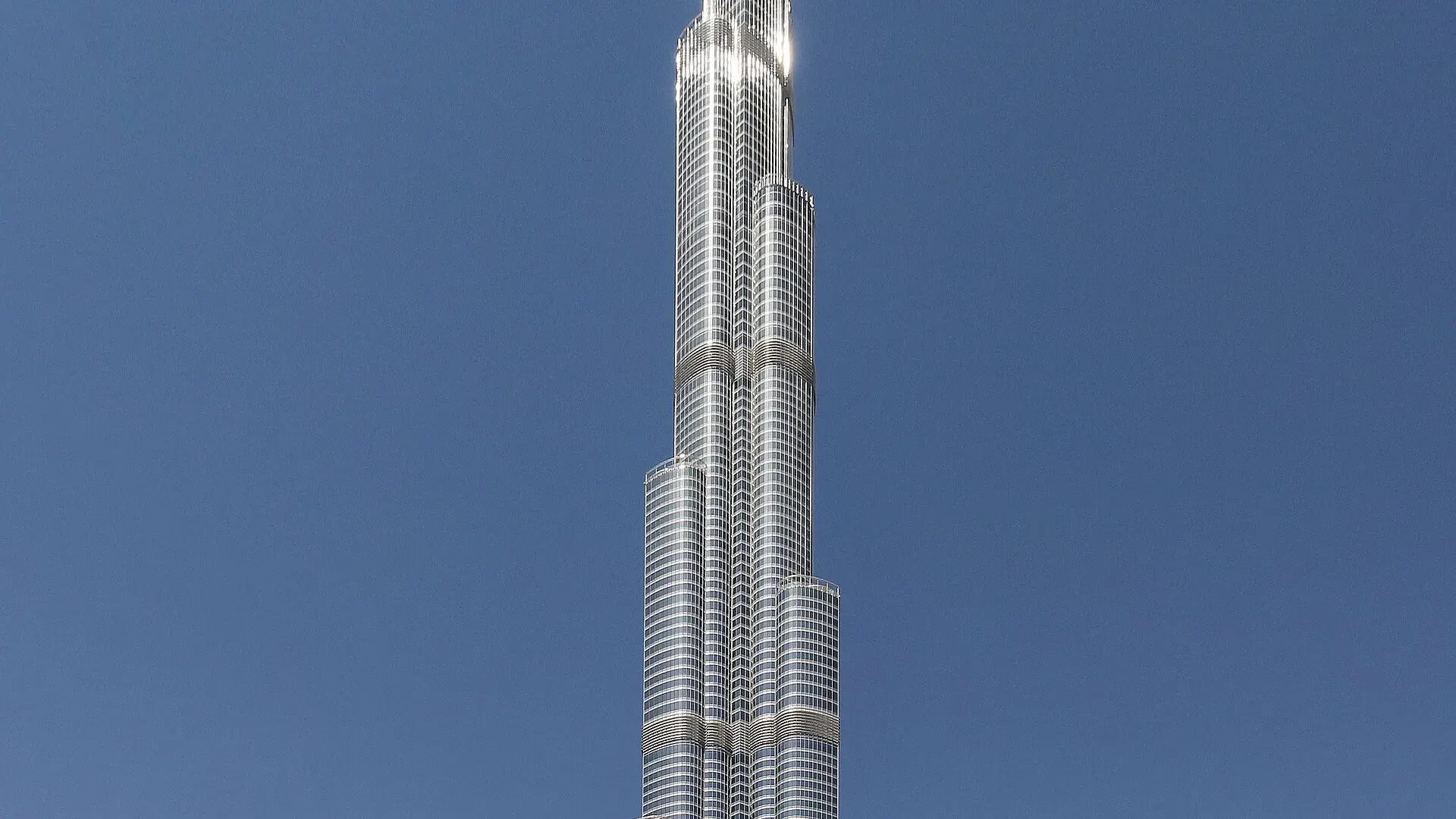
Large-scale infrastructure development is one of the most powerful catalysts for real estate capital appreciation and urban transformation in Dubai. Strategic transport links, new metro networks, elevated highway corridors, and marine transit expansions fundamentally alter how residents commute, access commercial centers, and experience daily life.
However, an infrastructure announcement does not automatically guarantee financial appreciation. The true economic impact on property values depends on actual walking distance to transit nodes, station entrance accessibility, noise mitigation, surrounding supply pipelines, and whether the future benefit has already been aggressively priced into current developer asking rates.
Below is an authoritative, evidence-based guide analyzing how new infrastructure influences Dubai property values, using major projects such as the Dubai Metro Blue Line to illustrate institutional due diligence.
1. Why Infrastructure Governs Real Estate Desirability
Infrastructure directly alters the practical utility of a residential community by reducing travel friction:
| 1. Travel Friction Drops | Commute times to DIFC, Downtown, and airports compress |
|---|---|
| 2. Tenant Demographic Exp | Wider pool of corporate, professional, and family base |
| 3. Commercial Clustering | Retail, healthcare, international schools follow transit |
| 4. Yield Premium Emerges | Well-connected units command 10%–15% rental premiums |
| 5. Long-Term Liquidity | Resale exit windows shorten due to permanent demand |
Importantly, infrastructure benefits are highly localized. A new arterial bridge may dramatically improve access for a residential community, while simultaneously introducing traffic noise and reduced privacy for properties situated immediately adjacent to the exit ramps.
2. Case Study: The Dubai Metro Blue Line Project
Dubai’s Metro Blue Line represents an exceptional case study in infrastructure-led urban development.
According to official project data published by Dubai’s Roads and Transport Authority (RTA), the Blue Line is a transformative transit corridor:
- Route Length: 30 kilometers (15.5 km underground, 14.5 km elevated track).
- Stations: 14 stations (9 elevated, 5 underground), including 3 key interchange hubs.
- Target Communities: Directly connects major growth hubs, including Dubai Creek Harbour, Dubai Festival City, International City, Dubai Silicon Oasis, Academic City, Mirdif, and Al Warqa.
- Target Handover: Scheduled for operational opening in 2029, aligned with Dubai’s 2040 Urban Master Plan.
Official project reference: RTA Mohammed Bin Rashid Approves Dubai Metro Blue Line.
Analytical Due Diligence Questions for Investors:
- Actual Walking vs. Line Proximity: Is the property within an air-conditioned, comfortable 5- to 10-minute pedestrian walk of a station portal, or does it require feeder transport?
- Pedestrian Route Safety: Are there grade-separated pedestrian bridges or shaded walkways connecting the building entrance to the station?
- Competing Residential Supply: How many new residential towers are being constructed around the transit node? Will localized tenant competition compress rental yields upon handover?
- Current Pricing Reflection: Has the developer already priced a speculative “metro premium” into off-plan launch rates years ahead of operational delivery?
3. Road Networks and Arterial Connectivity
While public rail transit primarily impacts high-density apartment communities, road expansions dictate villa and master community valuations:
- Arterial Highway Expansions: Upgrades to Sheikh Mohammed Bin Zayed Road (E311), Emirates Road (E611), and Al Khail Road (E44) reduce rush-hour bottlenecks for suburban communities like Dubai Hills Estate and Arabian Ranches.
- Bridge Corridors and Canal Crossings: New bridges connecting islands to the mainland (e.g., Jumeira Bay, Dubai Islands) enhance exclusive accessibility while maintaining gated privacy.
The Trade-Off: Connectivity vs. Environmental Disruption
- Positive Impact: Internal community plots 500 to 1,000 meters from a major arterial road enjoy seamless highway access without noise pollution.
- Negative Impact: Perimeter properties situated directly along 6-lane highway boundaries suffer from ambient engine noise and particulate exposure, often trading at a 10% to 15% discount relative to inner-park plots.
4. The 4 Stages of Infrastructure-Driven Capital Appreciation
Property prices react at distinct phases throughout an infrastructure asset’s multi-year gestation cycle:
| Project Phase | Market Pricing Behavior | Institutional Risk Level |
|---|---|---|
| 1. Announcement | Speculative portal markup; developer marketing surge | High (Execution risk & delayed delivery timelines) |
| 2. Ground Works | Real construction begins; secondary market pricing | Moderate (Construction noise and disruption dampens rent) |
| 3. Pre-Commissioning | RERA testing; commercial fit-outs near completion | Low (Tangible delivery horizon visible to prospective tenants) |
| 4. Operational | Service begins; true tenant footfall establishes rent | Zero Technical Risk (Actual net yield equilibrium established) |
The “Priced-In” Trap
The greatest risk for investors is acquiring off-plan property at the announcement phase at pricing that already reflects fully operational transit benefits. If you pay full 2029 operational pricing in 2026, you carry construction disruption, payment financing costs, and market risk without room for capital upside.
5. How Infrastructure Interacts with Different Property Typologies
Not all real estate asset classes respond identically to infrastructure improvements:
| Property Category | Key Infrastructure Driver | Valuation Sensitivity |
|---|---|---|
| Prime 1–2 Bed Apartments | Direct Metro & Tram proximity | Very High (Direct driver of corporate tenant occupancy) |
| Family Suburb Villas | Road access, school routes, retail hubs | High (Reduces daily school and commute friction) |
| Ultra-Luxury Waterfront | Private island access, marina berths, helipads | Low / Niche (UHNW buyers prioritize privacy over metro links) |
| Commercial / Offices | Multimodal transit & high-density parking | Critical (Dictates employee talent access and corporate leases) |
6. Pre-Acquisition Infrastructure Due Diligence Checklist
Before acquiring a property justified by future infrastructure, confirm:
- Official Government Verification: Confirm the project is officially gazetted on the RTA or Dubai Municipality portal, rather than relying on unverified social media renders.
- Pedestrian Walkability Audit: Physically walk the route between the development site and the future transit entrance. Ensure connectivity is not blocked by major multi-lane expressways or private compounds.
- Historical DLD Comps: Benchmark recent sales via the official Dubai Land Department Real Estate Data portal to ensure current pricing aligns with comparable ready stock.
- Stand-Alone Asset Viability: Ensure the property remains a financially viable, cash-flow positive investment on its own merits even if the infrastructure project faces delivery delays.
Frequently Asked Questions
Does proximity to a new Dubai Metro station always increase property values?
It generally enhances rental demand and liquidity for apartments, but capital appreciation depends on whether the benefit was already priced into the purchase cost and whether the unit is shielded from direct track noise and vibration.
When is the Dubai Metro Blue Line scheduled to open?
Under official RTA project schedules, the Dubai Metro Blue Line is scheduled to commence commercial operations in 2029, serving 14 stations across key eastern and northern Dubai communities.
How does road infrastructure impact suburban villa communities?
Highway interchanges and bridge expansions compress commute times to commercial hubs, directly supporting end-user demand. However, villas situated immediately adjacent to major arterial corridors trade at discounts due to traffic noise.
Can infrastructure projects cause property rental yields to decrease?
Yes, temporarily. If a major infrastructure project spurs massive new residential construction, an influx of newly completed competing units entering the rental market concurrently can compress initial rental yields until population growth absorbs the inventory.
How do ultra-luxury and branded residences respond to public transit?
Super-prime and trophy properties (e.g., Palm Jumeirah mansions or Bulgari Lighthouse penthouses) derive their value from privacy, architectural exclusivity, and private waterfront access, making proximity to public transit largely irrelevant to their core buyer base.
Evidence-Based Real Estate Advisory
At Billionaires Island Properties L.L.C., we advise private clients, cross-border investors, and family offices on navigating Dubai’s evolving urban master plan. We cross-reference municipal infrastructure initiatives with official DLD transaction data to uncover genuine, long-term capital preservation opportunities.
Schedule an Infrastructure Investment Consultation to evaluate how upcoming transport projects will influence your Dubai property portfolio.
Disclaimer: This guide is prepared for informational purposes only and does not constitute financial, investment, or legal advice. Infrastructure timelines and project completions are subject to government authorities and prevailing economic conditions.
Private Inquiries & Advisory
For private consultations and property advisory: +971 586776996 (WhatsApp & Call)








